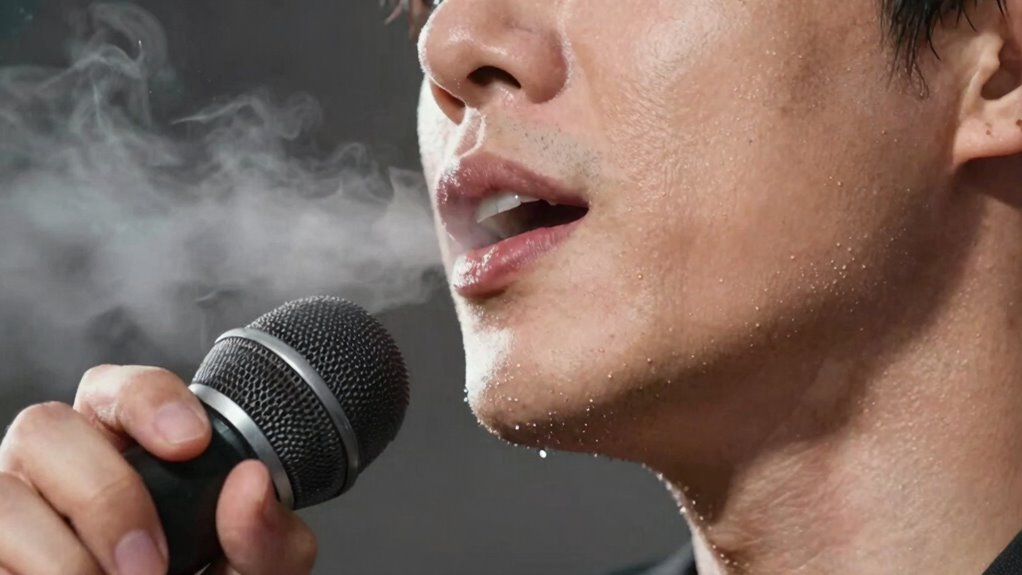

Ignoring dry air can quietly weaken your singing, as it dries out your vocal cords and makes them less flexible. This increases the effort needed to hit high notes and can cause strain, hoarseness, or inflammation over time. Without proper humidity, your voice becomes more prone to fatigue and injury. To protect your singing, it’s important to manage indoor moisture levels. Keep this in mind—you’ll discover simple ways to support your vocal health and improve your performance.

Get movie nights delivered free with Prime
- Fast, free delivery on millions of items
- Prime Video, Amazon Music and more included
- Member-only deals all year
Key Takeaways
- Dry air causes vocal cords to dry out, reducing flexibility and increasing strain during singing.
- Ignoring humidity levels leads to hoarseness, fatigue, and potential long-term vocal damage.
- Dehydration alone may be insufficient; environmental dryness further stiffens vocal cords.
- Without proper humidity, singers struggle with high notes and sustaining phrases effectively.
- Using humidifiers or moisture sources helps maintain vocal health and prevents silent damage.
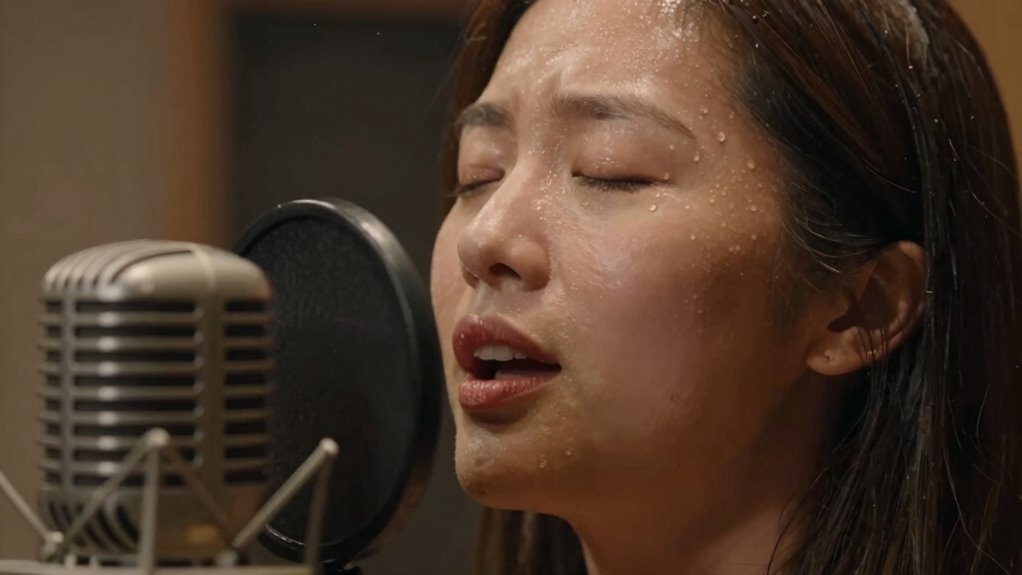
Dry air may seem harmless, but it can quietly sabotage your singing sessions by causing your vocal cords to dry out and become less flexible. When the air lacks humidity, your vocal cords lose the moisture they need to function essential. Without proper vocal hydration, your voice may feel strained, lose its projection, or sound hoarse. This isn’t just about comfort; it’s about maintaining the health and resilience of your vocal cords. If you ignore the effects of air humidity, you risk unnecessary fatigue and even potential injury, which can sideline your singing for days or longer.
To keep your voice in top shape, you need to pay attention to vocal hydration. Drinking plenty of water helps, but it’s not enough on its own. You also need to take into account the environment you’re singing in. When air humidity drops, it pulls moisture away from your vocal cords, making them stiffer and less responsive. This dryness leads to increased effort when singing, making it harder to hit high notes or sustain long phrases. Over time, repeatedly singing in dry conditions can cause irritation or inflammation, which might develop into more serious vocal issues. Ensuring proper air humidity levels is essential for maintaining vocal health. Additionally, maintaining a consistent indoor climate can prevent sudden fluctuations that might further dry out your voice.
Managing air humidity becomes essential, especially if you sing regularly or professionally. Using a humidifier in your practice space adds moisture to the air, creating a more supportive environment for your vocal cords. Even simple steps like opening a window or placing a bowl of water nearby can help boost humidity levels. If you notice your voice feeling tight or dry after singing in a dry room, these measures can make a significant difference. Remember, the goal is to keep your vocal cords well-lubricated, flexible, and healthy, and indoor air quality plays a key role in that process. Proper ventilation and air quality management are also crucial for avoiding dry air issues.
As an affiliate, we earn on qualifying purchases.
Frequently Asked Questions
Can Humidifiers Improve Singing in Dry Environments?
Yes, humidifiers can improve your singing in dry environments by helping with vocal warm-up and breath control. When the air is moist, your vocal cords stay hydrated, making warm-ups more effective and reducing strain. This moisture allows you to maintain better breath control, giving you a clearer, more consistent voice. Using a humidifier creates a comfortable singing space, preventing dryness that can hinder your vocal performance.
How Often Should Singers Hydrate During Sessions?
You should hydrate frequently during singing sessions—ideally every 15 to 20 minutes—to maintain vocal health. Did you know that proper hydration boosts your vocal warm-ups and breath control? Staying well-hydrated prevents dryness and strain, making your singing smoother and more controlled. Keep a water bottle nearby, take small sips regularly, and listen to your body to guarantee your voice stays flexible and strong throughout your session.
Does Dry Air Affect Vocal Cord Elasticity?
Yes, dry air can affect your vocal cord elasticity, leading to vocal cord stiffness. When your environment lacks humidity, your vocal cords lose moisture, making them less flexible. This stiffness can cause breath control issues, making singing more difficult and tiring. To protect your voice, stay hydrated and consider using a humidifier during sessions. Keeping your vocal cords moist guarantees better elasticity, smoother breath control, and healthier singing.
Are There Specific Drinks That Help Maintain Vocal Health?
Herbal teas, like chamomile or ginger, are great for maintaining vocal health because they provide soothing effects and support vocal hydration. Drinking plenty of water is essential, but herbal teas add extra benefits without caffeine, which can dry out your throat. Stay consistent with vocal hydration by sipping warm beverages regularly, especially before singing. This helps keep your vocal cords flexible, reducing strain and ensuring better performance.
What Signs Indicate Dry Air Is Damaging My Voice?
Dry air can sneak up like a thief in the night, stealing your vocal strength. Signs include vocal strain, where your voice feels tight or sore, and difficulty with breath control, making it hard to sustain notes. If your throat feels dry or your voice cracks unexpectedly, it’s a red flag. Pay attention to these signs, hydrate well, and use a humidifier to protect your voice from dry air’s silent damage.
As an affiliate, we earn on qualifying purchases.
Conclusion
If you ignore the effects of dry air, your singing sessions could suffer more than you realize—dryness can reduce your vocal strength and cause strain. Did you know that humidity levels between 40-60% are ideal for singers? Keeping your environment within this range can boost your vocal performance and protect your voice. Don’t overlook the importance of humidifiers or hydration; your voice will thank you, and your sessions will sound better than ever.
As an affiliate, we earn on qualifying purchases.
portable humidifier for vocal health
As an affiliate, we earn on qualifying purchases.
As an affiliate, we earn on qualifying purchases.
Halloween Picks
halloween
As an affiliate, we earn on qualifying purchases.