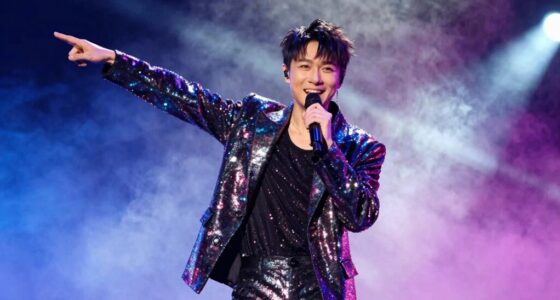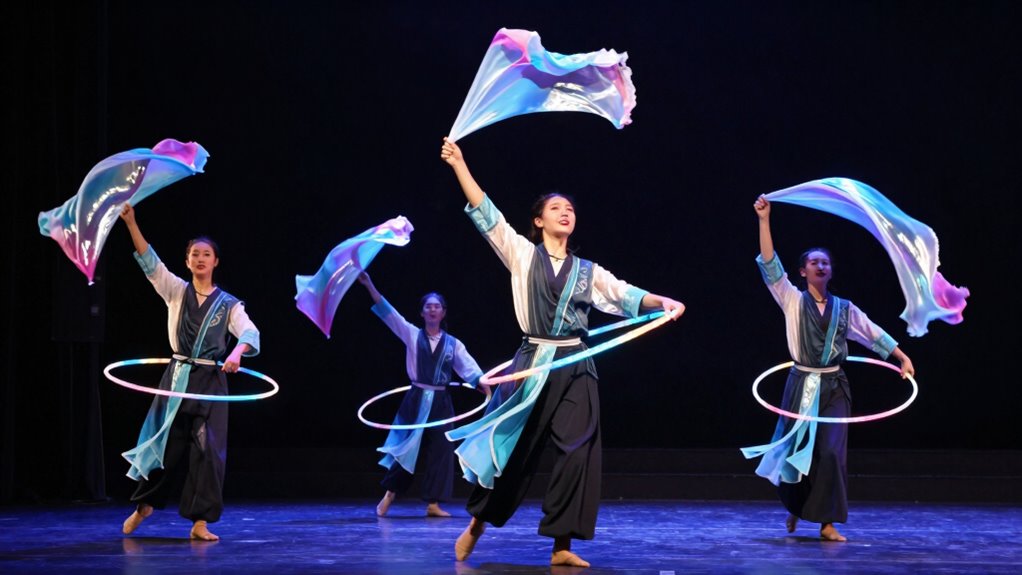
Choreographers use props in dance numbers to enhance storytelling, evoke emotions, and add visual interest. They select props with cultural or historical significance, incorporating gestures and handling techniques that bring authenticity and depth. Props help you connect more deeply with your audience by symbolizing themes or traditions, making the performance memorable. When carefully integrated, these objects transform simple movements into powerful narratives. If you explore further, you’ll discover how mastery of props can elevate your dance to an unforgettable art form.

Get movie-night favorites delivered free — and shop member deals
- Fast, free delivery on millions of items
- Access to Prime Big Deal Days deals on October 6–7
- Prime Video, Amazon Music and more included
Key Takeaways
- Choreographers select meaningful props that enhance storytelling and evoke specific emotions or themes.
- They incorporate cultural and historical symbolism to add depth and authenticity.
- Movement techniques are tailored to handle props naturally, respecting their cultural significance.
- Props are integrated seamlessly into choreography to create visual interest and memorable moments.
- Understanding the origins of props allows choreographers to convey richer narratives and deepen audience engagement.
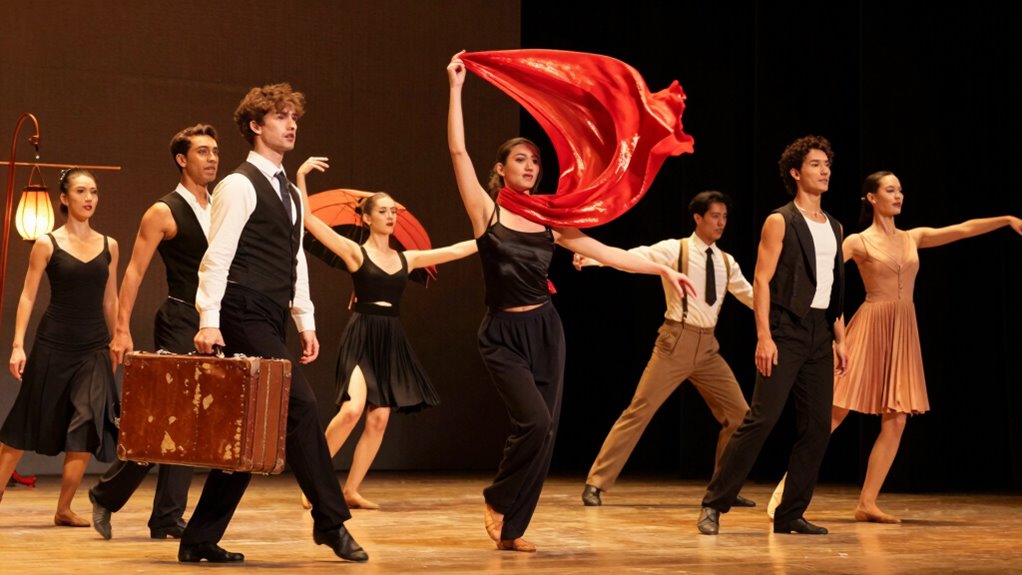
Props play a crucial role in dance numbers by enhancing the storytelling and adding visual interest. They’re more than just accessories; they are tools that can evoke emotions, deepen themes, and provide context. When you incorporate props thoughtfully, you help your audience connect more deeply with the performance. To do this effectively, you need to understand the historical influences and cultural symbolism behind various props. These elements aren’t random choices—they carry meaning that can enrich your choreography and resonate with viewers on a deeper level.
Props enhance storytelling and visual appeal, serving as meaningful tools that evoke emotions and deepen cultural context in dance.
Throughout history, props have served as powerful symbols in dance, influencing how stories are told on stage. For example, in classical ballet, a simple fan or a pair of pointe shoes can symbolize elegance, status, or even mourning. These items have roots in specific periods and traditions, which inform their significance. When you incorporate historically influenced props, you tap into a collective memory, adding layers of meaning to your dance. Knowing the origins of a prop allows you to use it authentically, making your performance more compelling and believable. Additionally, understanding the cultural origins of props helps prevent misrepresentation and ensures respectful portrayal of traditions.
Cultural symbolism is equally important when choosing props. Different cultures assign specific meanings to objects, and understanding these can elevate your dance. For instance, a lantern might symbolize hope in one culture, while in another, it could represent spiritual enlightenment. When you select props that are culturally significant, you’re not just adding visual flair; you’re paying homage to traditions and narratives that can deepen your storytelling. It’s essential to research and respect the cultural origins of the props you work with, ensuring your performance honors their significance. Recognizing the historical context of a prop can also inform how you move and handle it during the dance.
Using props with historical and cultural awareness also influences how you move and interact with them. You’ll find that certain gestures or handling techniques are rooted in tradition, and embracing these can lend authenticity to your dance. Whether you’re mimicking a ritual, depicting a historical event, or illustrating a cultural story, the way you use your props can convey subtle nuances that words cannot. The careful consideration of cultural symbolism and historical context can elevate a performance from simple to profound. The key is to be intentional—every gesture, every pause, should serve the story and respect the symbolism behind the object.
Ultimately, your mastery of props—understanding their origins and meanings—can turn a simple dance into a memorable, emotionally charged performance. When you thoughtfully select and incorporate props, you’re not just adding visual interest; you’re weaving a rich tapestry of history and culture into your choreography. This deeper layer of storytelling engages your audience and makes your dance numbers truly unforgettable.
As an affiliate, we earn on qualifying purchases.
Frequently Asked Questions
How Do Choreographers Choose the Right Props for a Dance?
You choose the right props by considering the dance’s theme and story, ensuring they enhance the performance. Focus on prop selection that aligns with your choreography and sparks creativity in props, making your routine memorable. Think about how the props can interact with dancers and support movements. Ultimately, select items that inspire imagination, complement your vision, and add visual interest without overshadowing the dancers’ skill.
What Safety Precautions Are Taken With Prop Use?
Ever wondered how safety is guaranteed during dance performances with props? You should know that choreographers prioritize safety protocols and conduct thorough equipment inspections before each show. They train dancers on proper handling and safe use of props, minimizing risks. Are all safety measures in place? Regular checks and clear communication help prevent accidents, making sure everyone stays safe while creating memorable, seamless dance experiences.
How Do Props Enhance Storytelling in Dance?
Props enhance storytelling in dance by adding symbolism and emotional impact, helping you express themes more vividly. When you incorporate props thoughtfully, they become visual cues that deepen the audience’s understanding of the narrative. You feel more connected to your character’s journey, and your movements gain layers of meaning. This emotional resonance makes the performance memorable, as props serve as powerful tools to communicate subtext and evoke genuine feelings.
Are There Specific Props for Different Dance Styles?
Of course, different dance styles demand their own costume accessories and set pieces—because why not make ballet dancers wield swords or jazz performers juggle? In ballet, delicate fans and tutus set the tone, while in jazz, flashy hats and gloves add flair. Each style uses props intentionally, enhancing authenticity and storytelling. So, yes, specific props aren’t just for show—they’re choreographic tools tailored to every dance genre’s unique spirit.
How Do Dancers Train to Handle Props Seamlessly?
You train to handle props seamlessly through focused practice on prop manipulation and dancer coordination. Repetition helps you become familiar with the prop’s weight, balance, and movement, enabling smooth shifts. Choreographers often break down sequences step-by-step, allowing you to master each move before combining them. Regular rehearsal builds muscle memory, boosts confidence, and guarantees your prop handling looks effortless, making your performance more polished and memorable.
As an affiliate, we earn on qualifying purchases.
Conclusion
Props are the silent storytellers of dance, weaving magic into every move you make. They transform simple steps into unforgettable moments, like painters adding vibrant strokes to a blank canvas. When you grasp a prop, you’re not just holding an object—you’re revealing a world of emotion and narrative. So, embrace these tools with passion, and let them turn your dance into a tapestry of memories that linger long after the music stops.
As an affiliate, we earn on qualifying purchases.
As an affiliate, we earn on qualifying purchases.
Fall Picks
fall essentials
As an affiliate, we earn on qualifying purchases.