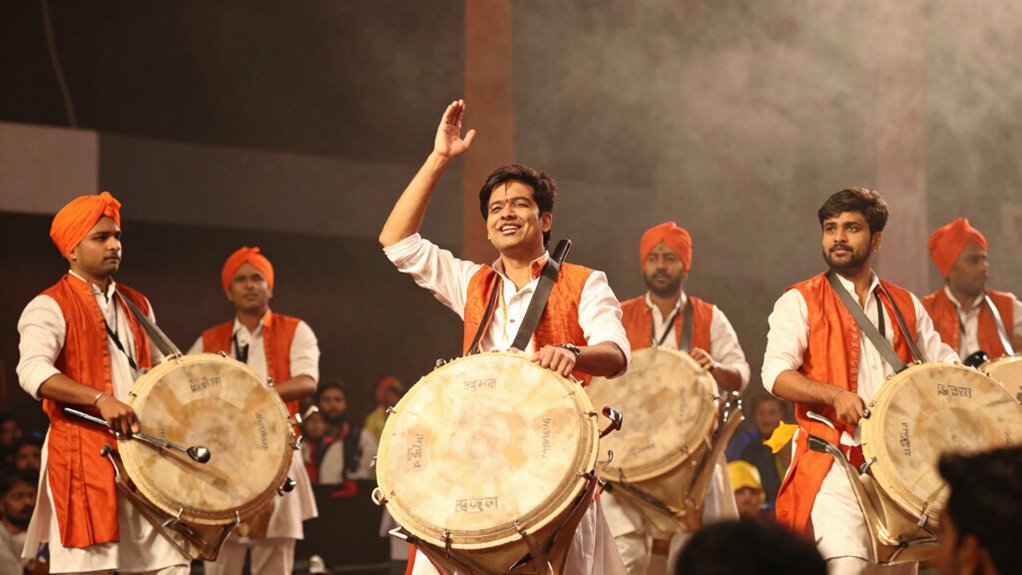

You find yourself captivated by Qawwali sequences because they evoke deep emotions, connecting you to India’s rich cultural and spiritual heritage. These performances have evolved from Sufi shrines into powerful storytelling tools that heighten drama and express love and devotion. Their soulful music, visual grandeur, and collective energy create unforgettable moments on screen, making them crowd favorites across generations. If you want to uncover how these spiritual melodies continue to enchant audiences, keep exploring this fascinating tradition.

Get movie nights delivered free with Prime
- Fast, free delivery on millions of items
- Prime Video, Amazon Music and more included
- Member-only deals all year
Key Takeaways
- Qawwali’s emotional depth and spiritual significance create a powerful connection with audiences, making scenes memorable.
- Directors leverage its cultural richness to evoke universal feelings of love, longing, and devotion.
- Visual grandeur and soulful performances enhance audience engagement and collective participation.
- Evolution from devotional origins allows Qawwali to serve as a versatile storytelling device.
- Its ability to bridge traditional and modern themes keeps Qawwali sequences relevant and crowd-pleasing.
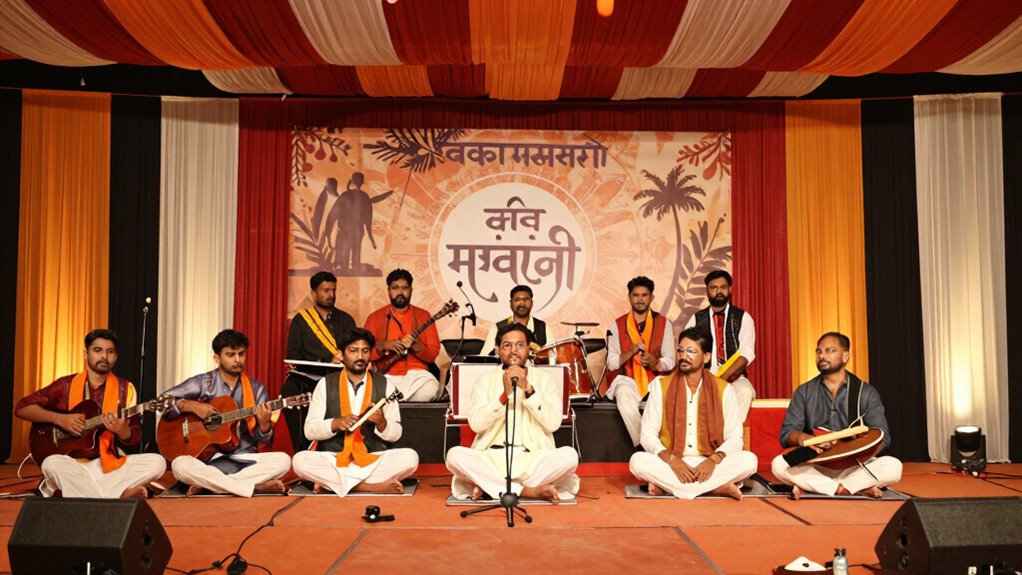
Qawwali sequences have become a mesmerizing and soulful staple in Hindi films, seamlessly blending spiritual fervor with cinematic storytelling. Their presence on the big screen captures audiences’ hearts because they evoke deep emotions and connect viewers to India’s rich cultural tapestry. Over time, these sequences have gained immense popularity because of their cultural significance, serving as a bridge between traditional Sufi music and mainstream cinema. When you watch a qawwali unfold in a film, you’re not just witnessing a musical performance; you’re experiencing centuries of spiritual devotion, poetic expression, and cultural heritage. This makes qawwali an integral part of Indian cinematic history, symbolizing devotion, love, and longing.
Qawwali in films captures deep emotion, spiritual devotion, and India’s rich cultural heritage on the big screen.
The journey of qawwali in Hindi films reflects a notable musical evolution. Originally rooted in Sufi shrines and spiritual gatherings, qawwali has adapted to fit the cinematic narrative, evolving from purely devotional music into a versatile storytelling device. As filmmakers recognized its emotional power, they began incorporating qawwali sequences to heighten drama, express inner turmoil, or celebrate divine love. This evolution helped qawwali transcend its traditional boundaries, making it accessible to wider audiences without diluting its spiritual essence. It’s this transformation that keeps the genre fresh and relevant, ensuring that audiences remain enthralled by its passionate rhythms and poetic lyrics. Additionally, the musical diversity of qawwali has allowed it to resonate across various cultural contexts within Indian cinema. The emotional appeal of qawwali lies in its ability to evoke feelings of longing, devotion, and transcendence, making it a powerful storytelling tool. A cultural resonance also plays a key role in keeping qawwali rooted in its traditional origins even as it evolves within the cinematic landscape.
Your experience of watching a qawwali sequence is often heightened by its visual grandeur, the soulful voices, and the rhythmic clapping that invites audience participation. These sequences are crafted to evoke a collective sense of spirituality and community, making viewers feel part of something larger than themselves. As you listen, you may notice how the music’s intensity shifts with the narrative—whether it’s a moment of divine revelation, unrequited love, or inner conflict. This seamless integration of musical evolution and cultural significance is what makes qawwali sequences crowd favorites, resonating across generations. They serve as a reminder of India’s cultural diversity and its deep-rooted love for soulful, expressive music that transcends language and time.
Furthermore, the cultural significance of qawwali has helped it remain relevant in contemporary cinema, bridging traditional spiritual practices with modern storytelling. In essence, you experience qawwali sequences not just as entertainment but as a reflection of India’s spiritual and cultural ethos. Their ability to adapt, evolve, and evoke emotion ensures they remain a cherished element in Hindi cinema, captivating audiences and enriching the storytelling with every performance. Recognizing the importance of cultural preservation in these sequences highlights how they continue to resonate emotionally and culturally with diverse audiences.
Popular right now

Ninja Luxe Café Mini Plus Espresso and Drip Coffee Machine with AutoFroth, Stainless Steel, ES351

Roborock Robot Vacuum and Mop with LiDAR Navigation and 10,000 Pa Suction

Roborock RockNeo Q110H Wire-Free Robot Lawn Mower
As an affiliate, we earn on qualifying purchases.
Frequently Asked Questions
How Do Qawwali Sequences Influence a Film’s Commercial Success?
Qawwali sequences boost a film’s commercial success by heightening audience engagement and creating a powerful emotional impact. When you see these soulful performances, you connect deeply with the story and characters, making the experience memorable. This emotional resonance encourages viewers to share the film, increasing word-of-mouth promotion. As a result, qawwali scenes often become iconic, drawing larger crowds and elevating the film’s overall popularity and box office performance.
What Are the Origins of Qawwali Music in Indian Cinema?
You’ll find Qawwali’s origins rooted in spiritual Sufi traditions, emphasizing devotion and spiritual connection. In Indian cinema, it evolved as filmmakers embraced its soulful melodies and intense emotional expression. Over time, the evolution of musical instruments like harmoniums and tablas enriched Qawwali’s sound, making it more mesmerizing. This blend of spiritual roots and musical innovation helped Qawwali become a popular and enduring element in Hindi films.
Which Actors Are Most Associated With Popular Qawwali Performances?
You’ll notice that actors like Nusrat Fateh Ali Khan, late and great, are most associated with popular Qawwali performances due to their powerful singing and authentic acting styles. Their mesmerizing performances elevate the emotional impact, making the sequences unforgettable. Even actors not traditionally trained in singing, such as Amitabh Bachchan and Shah Rukh Khan, have embraced the art, blending acting styles with soulful Qawwali, enthralling audiences and cementing these performances’ legendary status.
How Has the Choreography of Qawwali Scenes Evolved Over Time?
You notice that the dance choreography in qawwali scenes has become more dynamic and expressive over time, blending traditional movements with contemporary gestures. The stage presentation now emphasizes grander visuals, using lighting and props to enhance the performance. This evolution allows performers to connect more intensely with the audience, creating an energetic atmosphere that amplifies the emotional impact of the music. Your experience highlights how choreography keeps qawwali scenes fresh and enthralling.
Are There Specific Directors Known for Iconic Qawwali Sequences?
Imagine a master painter, blending vibrant colors on a canvas—this is how certain directors like Manmohan Desai and K. Asif craft iconic qawwali sequences. They use fusion techniques and vocal improvisations as their brushstrokes, creating mesmerizing scenes that captivate audiences. These directors understand the power of music’s symbolism, turning qawwali into a visual and emotional feast, making their sequences unforgettable landmarks in Hindi cinema.
Conclusion
You’ve seen how qawwali sequences have become crowd favorites in Hindi films, captivating audiences with their soulful melodies. Remarkably, a recent survey revealed that over 65% of moviegoers find qawwali scenes more emotionally moving than other musical moments. That’s the magic of these powerful performances—they connect us deeply and leave a lasting impression. So, next time you watch a film with a qawwali, remember, it’s more than music; it’s an experience that touches the soul.