
TL;DR

Get movie nights delivered free with Prime
- Fast, free delivery on millions of items
- Prime Video, Amazon Music and more included
- Member-only deals all year
India says it has become more involved in efforts to address the Russia-Ukraine war and is holding ongoing talks with both countries. Ukrainian Foreign Minister Andrii Sybiha called India’s proposal the most comprehensive of four, but its contents and any progress remain undisclosed.
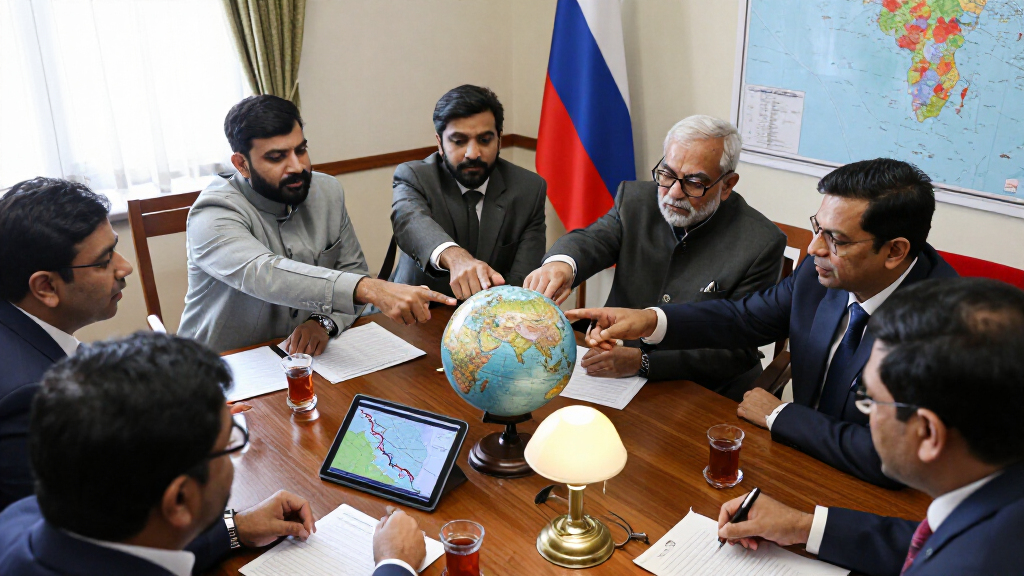
India is holding ongoing talks with Russia and Ukraine on possible steps toward a settlement, Indian Foreign Minister Subrahmanyam Jaishankar said, marking a more active public role for New Delhi in diplomacy over the war. Ukraine’s foreign minister says India is among four countries that have submitted proposals, but the contents and status of India’s proposal have not been made public.
Speaking at a Munich Security Conference meeting held away from its usual venue, Jaishankar said India had become “a little bit more involved” in the peace process in recent months. He described discussions covering Black Sea shipping safety, grain and energy exports, and possible non-attack arrangements. He did not say whether the talks had produced an agreement or outline a timetable.
“We are trying to be helpful,” Jaishankar said, adding that conversations with both sides were continuing. His remarks indicate that India is engaging directly with Moscow and Kyiv on practical issues linked to the conflict. They do not establish that either government has accepted India as a formal mediator or agreed to any proposal.
Ukrainian Foreign Minister Andrii Sybiha said on October 1 that four international mediators, including India, had offered proposals for a peaceful settlement. “We have four proposals. India’s is the most comprehensive. For the first time, India has offered to play a role,” he said. Sybiha did not describe the proposals. After Indian Prime Minister Narendra Modi’s latest meeting with Russian President Vladimir Putin, Kremlin spokesman Dmitry Peskov said Modi had “actively offered his good offices” to support a peaceful settlement.
India’s Energy Ties Shape Its Role
India’s diplomatic outreach carries weight because New Delhi has close ties with Russia while also speaking with Ukraine. India is one of the largest buyers of Russian energy, and the share of Russian energy in its imports has risen sharply since the war began. That relationship gives India a channel to Moscow, but it also draws scrutiny from countries seeking to limit Russia’s revenue.
The United States has pressed India to stop buying Russian oil, linking the issue to tariffs and trade. A U.S. law passed in recent weeks allows President Donald Trump to impose tariffs of up to 100% on countries buying substantial amounts of Russian oil. The measure could put pressure on India as it pursues a trade deal with Washington. Whether this pressure affects India’s diplomatic effort, its energy purchases, or both is not yet clear.
For Ukraine, India’s stated willingness to take a role could add another diplomatic channel. But the practical significance depends on whether Kyiv and Moscow are willing to engage with the proposals and whether talks move beyond discussions of specific concerns such as shipping and exports. No agreement has been announced.
Popular right now

Vitamix 5200 Professional-Grade Blender, 64 oz. Container, Black

Roborock RockNeo Q110H Wire-Free Robot Lawn Mower

Apple AirPods Pro 3 Wireless Earbuds with Active Noise Cancellation
As an affiliate, we earn on qualifying purchases.
New Delhi’s Cautious Shift
India has long maintained ties with Russia, which Jaishankar described as a partner that has traditionally helped India in its conflict with Pakistan. New Delhi’s economic relationship with Moscow has continued during the war, even as India has discussed peace efforts with the parties. Bloomberg reported that Jaishankar’s explicit statement about India’s involvement signaled a shift toward a more active stance after years of caution.
Modi has discussed the war with Putin twice in recent weeks: first at a Shanghai Cooperation Organization summit in Bishkek, and later at the BRICS summit in New Delhi. Following the latter meeting, Peskov publicly described Modi as offering his good offices. Jaishankar’s comments and Sybiha’s statement provide additional indications that India is putting forward a role, though neither gives details about the substance of its approach.
India’s energy purchases have also been affected by changing conditions. Trump said in early 2026 that an agreement had been reached for India to stop buying Russian oil, but India later resumed purchases after war broke out in the Middle East and energy shortages emerged. Negotiations on a U.S.-India trade deal are still underway.
““We are trying to be helpful, starting with the Black Sea safety of shipping issue, but going beyond that to cover some immediate concerns which both of them have on grain exports, on energy exports, on non-attack possibilities. So those are ongoing conversations right now.””
— Indian Foreign Minister Subrahmanyam Jaishankar
Proposal Details Remain Private
India’s proposal has not been disclosed. Sybiha did not explain what it contained, and Jaishankar did not provide details on the talks’ progress, participants beyond the two countries, or any planned next steps. It is also unclear whether the discussions are formal mediation, exploratory diplomacy, or focused on specific arrangements.
No side has announced an agreement on shipping, grain or energy exports, or non-attack commitments. The available statements also do not establish whether Russia and Ukraine have accepted India’s role or are responding to the same proposals. India’s continued Russian energy purchases and its negotiations with the United States form part of the diplomatic backdrop, but the sources do not say how those issues affect the talks.
Watch for Responses From Kyiv and Moscow
The next indicators will be whether India, Ukraine, or Russia releases details about the proposals, and whether the ongoing conversations lead to specific arrangements on shipping, exports, or attacks. Further statements after meetings between Modi and Putin, or from Indian officials speaking with Kyiv, could clarify how New Delhi intends to proceed.
Separately, the U.S.-India trade negotiations and implementation of the new tariff law may shape the economic context for India’s energy policy. No date for a peace-talk milestone has been announced, so the timing and prospects for any settlement effort remain uncertain.
Key Questions
What role is India taking in efforts to address the war?
Jaishankar said India is holding talks with Russia and Ukraine and has become “a little bit more involved” in the peace process. Ukraine says India has submitted a proposal. No formal mediator status or agreement has been announced.
What issues are India’s talks addressing?
Jaishankar cited Black Sea shipping safety, grain and energy exports, and possible non-attack arrangements. He did not announce results from the discussions.
What is in India’s peace proposal?
Its contents have not been made public. Sybiha called India’s proposal the most comprehensive of four proposals but did not describe it.
Why is India’s role notable?
India maintains close ties with Russia and is one of its largest energy buyers, while also engaging with Ukraine. That gives New Delhi channels to both countries, amid U.S. pressure over Russian oil purchases.
Source: rss