
TL;DR

Get movie nights delivered free with Prime
- Fast, free delivery on millions of items
- Prime Video, Amazon Music and more included
- Member-only deals all year
A U.S. amphibious vessel was intentionally sunk during maritime strike drills in the Pacific. The event underscores ongoing military training, but details about the incident remain limited. The development has strategic implications for U.S. naval capabilities.
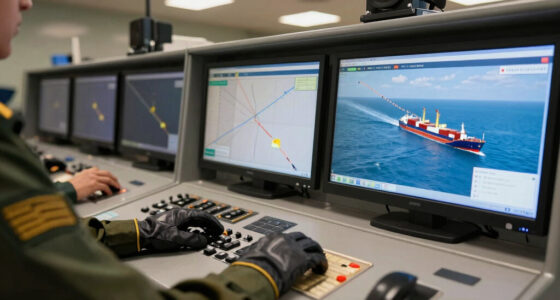
The U.S. Navy has confirmed that a former amphibious vessel was intentionally sunk during recent maritime strike drills in the Pacific Ocean. This event, part of ongoing military training exercises, highlights the Navy’s focus on testing combat readiness and operational capabilities in the region.
According to official sources, the vessel involved is the LPD-10 Valiant Shield, a decommissioned amphibious ship used as a target during the drills. The sinking occurred during a series of live-fire exercises designed to simulate real combat conditions. The Navy stated that the operation was planned and executed as part of standard training protocols, with the purpose of evaluating weapon systems and tactical responses.
Marine and naval officials confirmed that no personnel were aboard the vessel at the time of sinking, and there were no injuries reported. The event was monitored closely by military observers and was part of a broader set of exercises involving multiple U.S. naval assets in the Pacific region.
Strategic Implications of the Sinking Exercise
This sinking demonstrates the U.S. Navy’s ongoing commitment to realistic combat training, which is crucial for maintaining operational readiness in a region characterized by rising geopolitical tensions. The use of a decommissioned vessel as a target allows for testing of weapon systems and tactics under conditions that closely mimic actual combat scenarios.
Furthermore, the event signals the Navy’s continued focus on maritime strike capabilities, which are vital for responding to potential conflicts in the Indo-Pacific region. The sinking also serves as a demonstration to allies and adversaries of U.S. naval strength and preparedness.
As an affiliate, we earn on qualifying purchases.
The U.S. Navy has increased the frequency and scale of maritime exercises in the Pacific over the past year, aiming to enhance interoperability among allied forces and improve combat readiness. These drills often include live-fire exercises, amphibious landings, and tactical simulations involving aircraft carriers, submarines, and amphibious ships.
The use of decommissioned vessels as targets is a longstanding practice, but recent events have garnered attention due to the scale of the exercises and the strategic importance of the region amid rising tensions with China and North Korea. The sinking of the LPD-10 Valiant Shield is part of this broader effort to prepare for potential regional conflicts.
As an affiliate, we earn on qualifying purchases.
Unconfirmed Details About the Vessel and Exercise Scope
It is not yet clear whether the sinking involved any new or advanced weapon systems, or if the exercise was part of a larger series of drills. The full scope of the operation and specific objectives remain undisclosed, and there is no information on whether similar exercises are planned in the near future.
Additionally, the exact timeline and location of the sinking within the Pacific region have not been publicly detailed, raising questions about the operational security measures in place.
As an affiliate, we earn on qualifying purchases.
The Navy is expected to release further details about the exercise in the coming weeks, including any assessments of the operation’s success and its implications for regional security. Additional drills and training exercises are likely to continue as part of ongoing efforts to strengthen U.S. naval readiness in the Indo-Pacific.
Observers will monitor for any indications of increased military activity or shifts in strategic posture in the region, especially amid ongoing geopolitical tensions.
As an affiliate, we earn on qualifying purchases.
Key Questions
Why did the U.S. Navy sink a decommissioned vessel?
The sinking was part of a planned maritime strike exercise aimed at testing weapon systems and tactical responses in a realistic combat scenario.
Was there any danger to nearby ships or personnel?
No. The operation was conducted as a controlled exercise with no personnel aboard, and safety measures were in place to prevent hazards to other vessels or personnel.
Does this indicate increased military activity in the Pacific?
Yes, it reflects ongoing and possibly intensified training efforts to bolster U.S. naval capabilities amid regional tensions.
Are similar exercises planned in the near future?
While specific plans have not been announced, the Navy is expected to continue regular training exercises in the region.
What are the broader strategic implications of this event?
It demonstrates U.S. commitment to maintaining combat readiness and signals military strength to regional allies and potential adversaries.
Source: google-trends
Fall Picks
fall essentials
As an affiliate, we earn on qualifying purchases.