
TL;DR

Get movie nights delivered free with Prime
- Fast, free delivery on millions of items
- Prime Video, Amazon Music and more included
- Member-only deals all year
Halloween costume accessories can turn ordinary clothes into a recognizable character or theme when you choose one or two signature details, such as a hat, prop, hairstyle, or makeup. Prioritize clear vision, easy movement, comfortable materials, and products made for their intended use; reuse or make pieces to keep costs down.
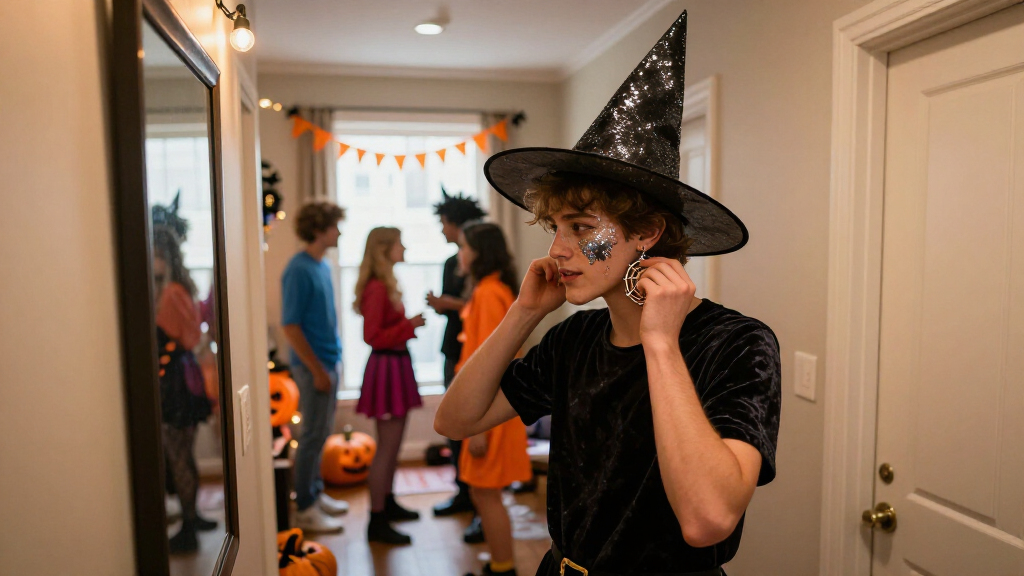
A plain black outfit can become a witch’s costume with a pointed hat, or a detective’s look with a magnifying glass and a rumpled trench coat. The right Halloween costume accessories do more than decorate: they give people the quick visual clues that make an outfit recognizable.
You don’t need a full costume set to create a memorable look. A few well-chosen details can save money, help you build a last-minute outfit, or tie a family theme together. This guide covers which accessories do the most work, how to choose pieces you can comfortably wear all evening, and how to avoid common safety and makeup problems.
You’ll also find practical ways to reuse, borrow, or make accessories rather than buying everything new. Think of the outfit as a simple stage: the clothes set the scene, and the details deliver the character.
Start with one or two details strongly tied to your character or theme; a signature hat, prop, hairstyle, or color can make ordinary clothes recognizable.
Compare accessories for vision, movement, fit, material, and reuse before you buy or make them.
Test the full outfit at home by walking, sitting, turning your head, and using stairs.
For children, favor lightweight pieces, secure construction, clear vision, easy removal, and no small detachable hazards.
Reuse, borrow, thrift, or make accessories, and spend on the piece that does the most visual work.
Choose one signature detail to make your costume instantly recognizable
Halloween costume accessories make an outfit recognizable by adding the distinctive object, color, hairstyle, or silhouette people already connect with a character or theme. Start with one signature detail, then add a second only if it makes the idea clearer. A pirate can wear a striped shirt and jeans, but a bandanna and toy cutlass make the theme easy to read at a glance.
This works because people often recognize a costume through a handful of visual clues rather than a perfect head-to-toe replica. A red cape, a glittering crown, or a pair of round glasses can carry more meaning than elaborate clothing. Imagine arriving at a party in everyday clothes with a cardboard name badge and a stethoscope: the small props do the storytelling before you say a word.
When you shop, sort options by what the character needs. Halloween costume accessories range from hats, masks, and wigs to makeup, props, jewelry, capes, wings, and themed shoes. Choose pieces that match the outfit’s most recognizable colors or shapes, rather than piling on unrelated extras.
For example, if you’re going as a black cat, ears and whisker makeup may do more than a long tail that catches on chairs. Ask a friend what they recognize first, or take a quick photo from across the room. If the costume reads clearly in the photo, you’ve likely picked the right finishing pieces.
As an affiliate, we earn on qualifying purchases.
Compare accessory options before you buy or make them
The best Halloween costume accessories depend on what you need them to do: create instant recognition, stay comfortable for hours, or survive an outdoor evening. Compare visibility, movement, material, and reuse before choosing a mask, prop, cape, or makeup. A dramatic piece can look fantastic in a photo but become irritating after an hour of trick-or-treating.
| Accessory | What it adds | What to check |
|---|---|---|
| Hat or headpiece | A clear silhouette or character clue | Fit, weight, and whether it stays on in wind |
| Mask | A fast, dramatic transformation | Clear vision, easy breathing, and quick removal |
| Prop | A recognizable action or role | Lightweight construction and safe edges |
| Cape or wings | Movement, color, and a bigger outline | Length, snag risk, and freedom to use stairs |
| Makeup | Fine detail without bulky gear | Skin-safe labeling and careful application |
Picture a child in a long vampire cape heading up a porch staircase. The cape may make the outfit look striking, but a shorter hem or a secure, easy-release fastening can reduce tripping and snagging. Likewise, a mask with narrow eyeholes may photograph well but make it harder to see curbs and traffic.
Materials affect the experience, too. Foam and fabric tend to bend more easily, while hard plastic and metal-like pieces can feel heavier or catch on clothing. Check seams, straps, and edges before you leave home. If a piece scratches your wrist or slips when you turn your head, it probably won’t feel better later.
As an affiliate, we earn on qualifying purchases.
Build a last-minute costume in five practical steps
You can build a last-minute Halloween costume from everyday clothes by choosing a clear theme, then adding one recognizable accessory and checking the complete outfit for comfort. Start with what you own; a themed hat, simple prop, or suitable makeup detail can turn a closet basic into a costume without a rushed shopping trip.
- Pick a simple theme. Choose an idea with a recognizable shape or color, such as a sailor, witch, artist, or detective.
- Find the clothing base. Use pieces you already own: a striped top, dark dress, old blazer, or plain jeans.
- Add the defining detail. Try a bandanna, paper badge, scarf, hat, or lightweight prop.
- Check the material and fit. Make sure attachments stay put and nothing scratches, blocks your view, or drags.
- Wear-test the full outfit. Walk, sit, reach, and use stairs before the event; adjust anything that slips or catches.
For a detective costume, you might pair a gray jacket with ordinary trousers, then make a paper badge and borrow a magnifying glass. That’s cheaper and easier to move in than a bulky, store-bought set. For a group, choose a shared color or symbol—such as matching scarves—and give each person a different hat or prop so everyone still has an individual look.
DIY pieces work best when you build them around safe, sturdy materials. A cereal-box badge or felt patch can be light and easy to attach, while a sharp wire frame or brittle plastic piece may create trouble during a busy party. Test each homemade accessory with the clothes you plan to wear, not by itself; a clip that holds on a table may slip from a slippery jacket.
As an affiliate, we earn on qualifying purchases.
Keep your costume comfortable and safe from the first doorbell to the last
Comfortable Halloween costume accessories fit securely, leave you able to see and move, and don’t become a nuisance after a few blocks or hours. Prioritize clear vision, easy removal, and comfortable shoes, especially when you’ll be outdoors, using stairs, or supervising children. Try the full outfit before Halloween night, not while you’re already rushing out the door.
Masks deserve a careful check because they can limit sight or make breathing feel less comfortable. If you’re trick-or-treating on a dim street, face paint or a partial mask may be more practical. If you do wear a mask, look through it in the lighting you expect to encounter and make sure you can see clearly to the sides as well as straight ahead.
For children, choose lightweight pieces with secure construction and easy-to-release fastenings. Avoid sharp edges, dragging capes, and small detachable parts that could pose a choking risk for young children. A child who can take off a hat independently is more likely to keep it on when the evening gets chilly than one who needs an adult to untangle it.
Makeup needs its own common-sense check. Use products labeled for skin, follow the directions, and patch-test unfamiliar cosmetics; keep makeup away from the eyes unless its label says it’s intended for that area. Don’t put craft paint on your face. And decorative contact lenses aren’t risk-free accessories: consult an eye-care professional about fitting and care. Test the whole look at home by walking, sitting, turning your head, and taking a few steps in the shoes you’ll wear.
lightweight Halloween costume masks
As an affiliate, we earn on qualifying purchases.
As an affiliate, we earn on qualifying purchases.
Spend less by choosing accessories you can reuse
You can keep Halloween accessory costs down by reusing, borrowing, thrifting, or making pieces, then spending on the detail that contributes most to recognition. Buy the clue, not the pile: one excellent hat or prop may finish a costume more effectively than several unrelated extras. Reusable pieces also help you create different looks in future years.
A black cape might work for a vampire this year and a wizard next year. A neutral hat, simple jewelry, or makeup brushes can serve more than one costume, while a single-use novelty prop may have little value after Halloween. Before you shop, lay out clothing you already own and write down the one accessory that would make the theme clear.
DIY and upcycled details can look personal rather than makeshift. A thrift-store scarf can become a pirate bandanna; a clean cardboard tube can stand in for a telescope; and spare buttons can dress up an old jacket. Borrowing a friend’s wig or costume jewelry can also save money, provided you clean and handle each item appropriately.
For a family costume, coordinating accessories can create a shared look without buying matching outfits. One person might wear a yellow scarf, another a yellow hat, and a third a yellow paper badge. Chosen accessories can tie the group together while keeping each person’s outfit comfortable and easy to identify. Store small items in a labeled box after the event so next year’s search starts with a ready-made collection rather than a tangled drawer.
Make your costume work for the weather and the whole evening
For an outdoor Halloween event, choose accessories that stay secure in wind, remain comfortable over layers, and don’t make walking harder. Plan for the actual outing, not just the mirror: a costume for a warm indoor party can be very different from one for a breezy evening spent walking between houses.
Try your costume with the coat or sweater you may need underneath. A snug headpiece might feel fine over bare hair but pinch over a knit cap; a cape may flap into someone’s face on a windy sidewalk. If rain is possible, consider whether makeup or cardboard props will hold up, and bring a small bag for accessories you need to remove.
Footwear can make or break the night. Themed boots may look convincing, but familiar, comfortable shoes are a better choice if you’ll walk several blocks. You can add colored socks or a fabric detail to keep the theme without risking sore feet. In a real-world example, a person dressed as a space explorer could wear everyday sneakers, silver fabric accents, and a light cardboard control panel rather than heavy platform boots and a rigid plastic pack.
Have a fallback plan for pieces that become uncomfortable. A removable mask, adjustable strap, or cape that can be folded into a tote gives you options once the novelty wears off. Comfort is part of the costume: if you can move, see, and stay warm, you’re more likely to enjoy the evening instead of carrying half your outfit home.
Frequently Asked Questions
What accessories make a Halloween costume look complete?
Choose one or two details closely linked to the character or theme, such as a distinctive hat, prop, hairstyle, or jewelry. For example, a black outfit paired with cat ears and whisker makeup can read more clearly than an elaborate outfit with no familiar clues.
Can I make a costume using accessories I already own?
Yes. Start with ordinary clothes in the right colors, then add a recognizable item such as a scarf, hat, borrowed prop, or skin-safe makeup detail. A blazer, paper badge, and magnifying glass can make a simple detective costume without a complete costume set.
Are masks safe to wear while trick-or-treating?
A mask can limit vision or make breathing less comfortable, so check the fit and sightlines before going out. Face paint or a partial mask may be easier to wear on dim streets; if you choose a full mask, confirm that you can see clearly in all directions.
How do I choose safe Halloween accessories for a child?
Choose lightweight pieces with a secure fit, clear vision, and easy removal. Avoid sharp edges, long pieces that drag, and small detachable parts that could pose a choking risk for young children; test the whole outfit before the evening.
How can I keep accessory costs within budget?
Reuse, borrow, thrift, or make simple pieces, and spend on the one detail that makes the costume recognizable. A neutral cape or hat may work for several future outfits, while a homemade badge or a borrowed scarf can complete this year’s look.
What should I check before wearing costume makeup or colored contacts?
Use makeup made for skin, follow its label, and patch-test unfamiliar products; don’t use craft paint on your face. Contact lenses, including decorative ones, require proper fitting and care from an eye-care professional, so don’t treat them as risk-free novelty items.
Conclusion
Choose the detail that tells the story, then make sure you can comfortably wear it. A great Halloween look doesn’t need a closet full of new pieces: a familiar outfit, one recognizable accessory, and a quick safety check can take you a long way.
Before you head out, walk around in the complete costume and fix anything that blocks your view, catches on a stair, or starts to itch. Then enjoy the moment when someone spots the hat, prop, or bright splash of color and immediately gets the idea.
Halloween Picks
halloween
As an affiliate, we earn on qualifying purchases.