
TL;DR

Get movie nights delivered free — and shop member deals
- Fast, free delivery on millions of items
- Access to Prime Big Deal Days deals on October 6–7
- Prime Video, Amazon Music and more included
Pop culture collectibles include items like action figures, trading cards, and posters tied to entertainment icons. Their value depends on rarity, condition, and authenticity, with recent trends pushing digital collectibles and limited editions into the spotlight. Knowing what to look for helps you grow a collection or invest smartly.
Imagine holding a piece of your favorite movie or game history in your hands. That thrill—finding a rare comic, an autographed poster, or a limited-edition Funko Pop!—drives millions to collect.
Pop culture collectibles aren’t just about fandom anymore. They’ve become a serious market—some items worth thousands, even millions. Whether you’re a casual fan or a seasoned investor, understanding what makes collectibles valuable can turn your hobby into a smart asset.
The value of pop culture collectibles hinges on rarity, condition, and authenticity—always verify these before buying or selling.
Recent trends like NFTs and exclusive collaborations have expanded what’s possible in the collectibles market.
Start small, focus on what you love, and join online communities for tips and trading opportunities.
Professional grading and provenance verification are vital for high-value items.
Collectibles can be lucrative investments, but market volatility means caution and research are essential.
What Are Pop Culture Collectibles and Why Do They Matter?
Pop culture collectibles are physical items connected to entertainment, music, movies, TV shows, comics, or celebrities. Think of action figures, trading cards, posters, vinyl records, and signed memorabilia. These items capture moments, characters, or icons — turning fleeting entertainment into tangible memories.
For example, a vintage Star Wars action figure from the 1970s can fetch thousands at auction, especially if kept in pristine shape. These collectibles matter because they connect fans to their heroes and often serve as investments that appreciate over time.
They encompass a wide range of items—each with its own story and value. From rare Pokémon cards to signed Beatles posters, pop culture collectibles reflect what’s important in entertainment history and fandom.
Understanding why certain items appreciate in value helps collectors make smarter choices—whether they’re seeking sentimental keepsakes or financial gains. The cultural significance of these items influences their desirability and price, but market trends, condition, and rarity ultimately determine their worth. Recognizing these factors allows collectors to balance emotional attachment with investment potential, navigating tradeoffs between rarity and accessibility.
As an affiliate, we earn on qualifying purchases.
The Different Types of Pop Culture Collectibles You Can Own
Not all collectibles are created equal. Some are highly sought after, others more casual. Here’s a quick breakdown of common categories:
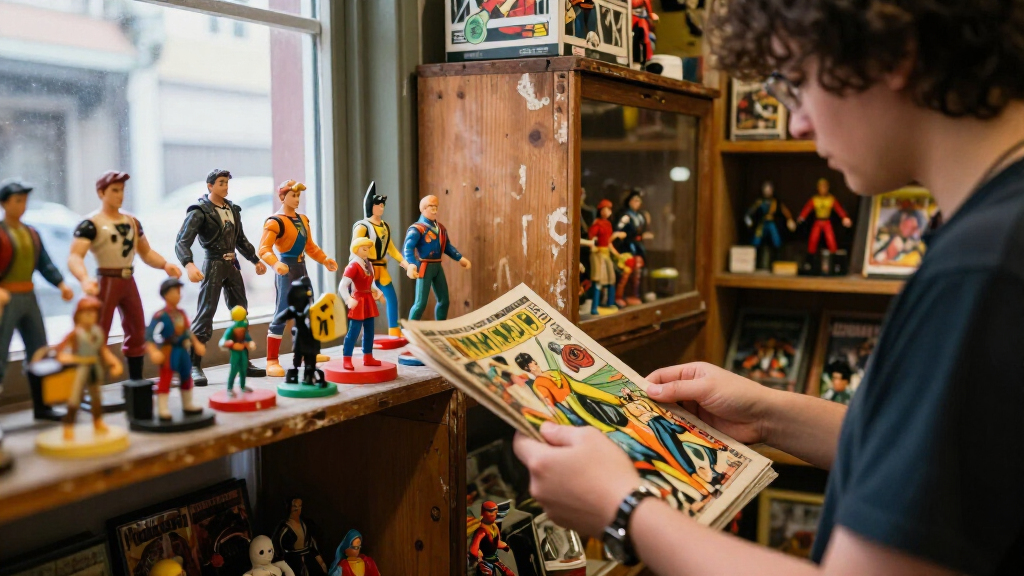
- Action Figures and Toys: Vintage G.I. Joe, Transformers, Marvel Legends. Their appeal lies in nostalgia and design, but condition and rarity can make some worth thousands, while others are common.
- Trading Cards: Pokémon, Magic: The Gathering, sports cards like Michael Jordan rookie cards. Their value hinges on rarity, condition, and whether they’re part of limited print runs or special editions, which can exponentially increase worth.
- Posters and Artwork: Original movie posters, concert posters, concept art from blockbuster films. These are valued not just for their imagery, but for their historical context and rarity—an original poster from a blockbuster opening can be a prized collectible.
- Limited-Edition Items: Signed memorabilia, exclusive collaborations, numbered collectibles. Limited editions often carry a premium because scarcity drives demand, but buyers must consider whether the item’s significance justifies its price.
- Vinyl Records and Music Memorabilia: Rare albums, concert T-shirts, limited-edition releases. Their value is influenced by rarity, condition, and cultural importance—an iconic album or tour shirt can become a treasured piece or an investment.
- Autographs and Celebrity Memorabilia: Signed photos, costumes, personal items of famous icons. Authenticity and provenance are critical here—an authenticated signed item with documented history is more likely to appreciate over time.
For instance, a signed Beatles poster from their 1965 U.S. tour might sell for over $50,000. Each type varies in how it’s valued—rarity, condition, and cultural significance matter. Recognizing these nuances helps collectors understand what makes certain items more desirable and how to evaluate their potential for appreciation or personal enjoyment.
As an affiliate, we earn on qualifying purchases.
What Makes a Pop Culture Collectible Valuable? The Key Factors
When you’re eyeing a collectible, a few things determine its worth. Rarity is king—limited editions or discontinued items hold more value because they are harder to find and often in higher demand. Condition is next—mint condition, especially if still in original packaging or with minimal wear, can boost price by 50% or more, as collectors seek pristine items that preserve their original appeal.
Authenticity is critical. A signed item with verified provenance commands higher prices because buyers want assurance that what they’re purchasing is genuine. This often involves third-party authentication services, which add credibility but also cost and time. Historic significance—like being linked to a major event or iconic figure—can send values soaring because it increases the emotional and cultural impact of the item.
For example, the 1999 Pokémon card, Illustrator Pikachu, gained immense value after a documentary spotlighted it, fetching over $200,000 at auction. This demonstrates how rarity combined with cultural moments or media exposure can dramatically influence value. Recognizing these factors allows collectors to weigh tradeoffs—such as paying a premium for a rare signed item versus a more common piece—and make informed purchasing decisions.
limited edition Funko Pop collectibles
As an affiliate, we earn on qualifying purchases.
As an affiliate, we earn on qualifying purchases.
How the Market for Pop Culture Collectibles Is Changing
The collectibles scene has exploded in recent years. Online marketplaces like eBay and Heritage Auctions now facilitate billions of dollars in sales annually. Millennials and Gen Z drive much of this, fueled by nostalgia and the desire for unique, tangible items.
Recent developments include:
- NFTs and Digital Collectibles: Digital art tied to pop icons, offering new ownership and trading experiences. While these expand the market, they also raise questions about permanence, authenticity, and value stability—digital assets can be volatile and less tangible, which may affect long-term investment prospects.
- Major Auctions and Media Buzz: Record-breaking sales—like a rare Pokémon card selling for $900,000—garner headlines and significantly boost interest. However, these high-profile sales can also create hype and inflate prices, leading to potential bubbles or overvaluation in certain segments.
- Collaborations and Limited-Editions: Franchises release exclusive items—think Marvel x Adidas sneakers or Disney x Coach handbags. These collaborations often generate buzz, but their value depends on brand strength and consumer demand. Some may be fleeting trends, so buyers should consider whether they’re investing in a passing fad or a lasting collectible.
- Online Fan Communities: Reddit, Discord, and dedicated forums foster trading, showcasing, and discussing collectibles. These communities influence market trends and can help buyers assess authenticity and rarity, but they also require discernment to avoid scams or hype-driven purchases.
- Restoration Tech: New preservation tools keep vintage items in mint shape, preserving value. While this technology enhances the longevity of collectibles, it also introduces tradeoffs—restoration can sometimes diminish authenticity or value if not done properly, so understanding the limits of repair is crucial.
For example, a vintage comic book from 1938, Action Comics #1, sold for over $3 million in 2021. These trends keep the market vibrant and ever-changing, but they also underscore the importance of understanding the nuances behind these shifts to make informed investments or collecting decisions.
As an affiliate, we earn on qualifying purchases.
Conclusion
Pop culture collectibles turn fleeting entertainment moments into tangible treasures. Whether you’re hunting vintage comics or chasing limited-edition figures, knowing what drives value is key.
Think of your collection as a story—each piece a chapter of your fandom and history. With patience and care, you can enjoy the thrill and maybe even turn a profit. So, what’s your next big find?
Fall Picks
fall essentials
As an affiliate, we earn on qualifying purchases.