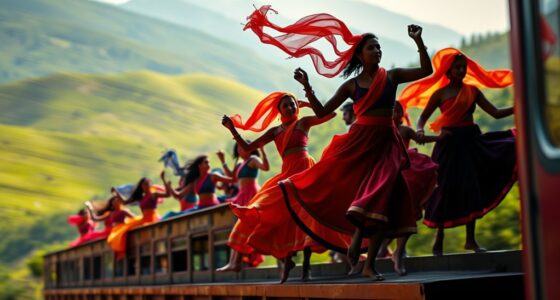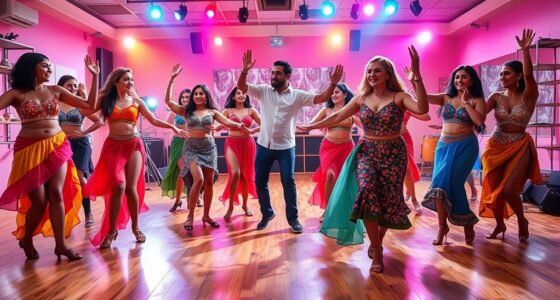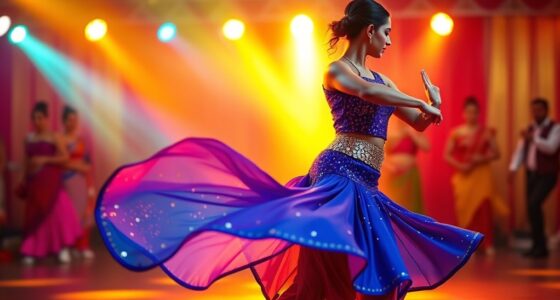
The journey from mujra to modern Bollywood dance showcases a rich history rooted in aristocratic courtesans called *tawaifs*, known for their elegant music, dance, and poetry. Over time, costumes shifted from elaborate Mughal styles to more stylized, bold outfits reflecting societal changes, while maintaining traditional motifs. Today’s Bollywood dances evoke both heritage and contemporary allure through vibrant costumes and modern influences. To explore how this tradition continues to evolve on screen, keep going to discover more about this enthralling transformation.
Key Takeaways
- Bollywood films depict courtesan dances evolving from traditional Mughal-era mujras to modern, stylized performances reflecting societal changes.
- Costume styles transition from elaborate Mughal textiles to contemporary designs emphasizing sensuality and visual appeal.
- Modern portrayals blend traditional motifs with bold, innovative fashion to evoke historical elegance and modern liberation.
- Costumes and dance serve as narrative tools, highlighting the cultural and artistic transformation of courtesan imagery over time.
- The evolution showcases a shift from aristocratic sophistication to expressive, empowered portrayals in contemporary Bollywood cinema.
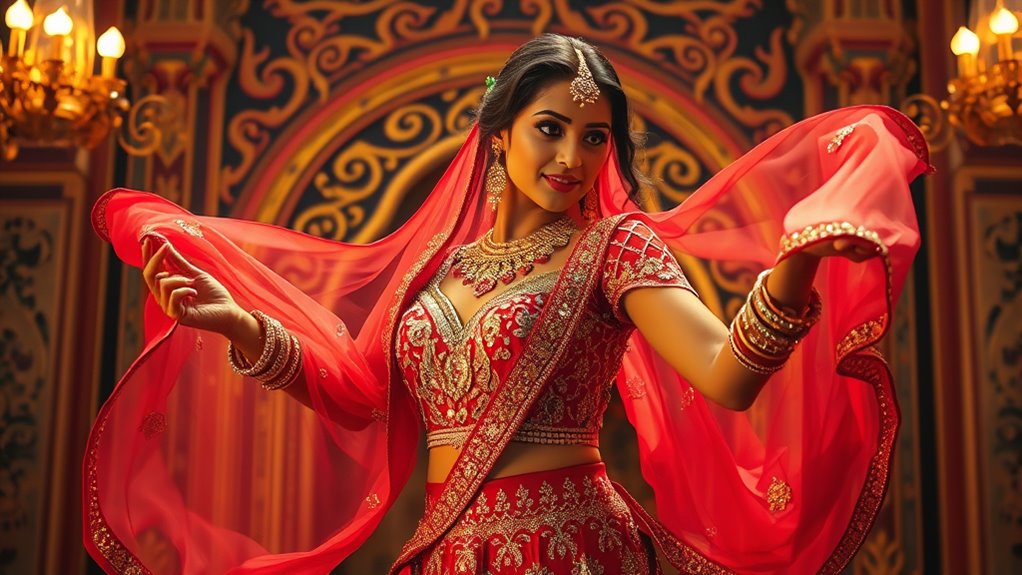
Have you ever noticed how courtesan dances in Bollywood films evoke a sense of elegance, mystery, and sensuality? These performances draw from a rich historical context that stretches back centuries, rooted in the traditions of Mughal India and Persian influence. During the Mughal era, courtesans—known as *tawaifs*—held a unique place in society, serving as cultural icons who mastered music, dance, and poetry. Their performances weren’t merely entertainment; they symbolized sophistication, intellect, and artistry. Over time, these dances became intertwined with courtly life and social rituals, creating an aura of allure that filmmakers sought to capture. As Bollywood evolved, so did the depiction of these dances, blending tradition with modern storytelling.
When you observe courtesan dance scenes in classic films, you’ll notice a significant evolution in costume styles that mirrors shifting cultural perceptions. During the Mughal period, costumes were elaborate and opulent, often made of luxurious fabrics like velvet, silk, and brocade. Intricate embroidery, gold accents, and jewelry adorned the dancers, emphasizing their high social status and the grandeur of their performances. These costumes aimed to highlight the grace and poise of the dancers, enhancing their movements and creating a visual spectacle. Moving into the colonial era, costume styles became somewhat simplified but still retained elements of richness—think of flowing sarees, embellished blouses, and ornate jewelry that maintained the allure.
In contemporary Bollywood, the costumes have undergone further transformation, balancing tradition and modernity. Today’s courtesan dance scenes often feature costumes that are more revealing and stylized, emphasizing sensuality while still paying homage to historical roots. Designers incorporate modern fabrics, bold cuts, and innovative accessories, but they often retain key motifs like intricate embroidery or traditional jewelry pieces. This evolution reflects changing societal attitudes—shifting from the more reserved, aristocratic imagery of the past to a more liberated and expressive portrayal. Despite these changes, the essence remains the same: costumes serve as a powerful visual tool that enhances the dance’s emotional impact, connecting viewers to a layered history of elegance, artistry, and cultural identity. Additionally, the use of costume design plays a crucial role in storytelling, helping to evoke specific time periods and emotional tones within the narrative.
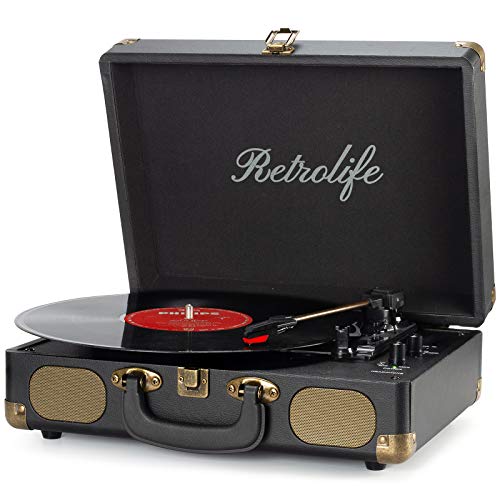
Vinyl Record Player 3-Speed Bluetooth Suitcase Portable Belt-Driven Record Player with Built-in Speakers RCA Line Out AUX in Headphone Jack Vintage Turntable
【Retrolife INDIVIDUAL SUITCASE RECORD PLAYER】A satisfying combo of modern and vintage elements. Black classic PU leather outlook with...
As an affiliate, we earn on qualifying purchases.
Frequently Asked Questions
How Did Courtesan Dances Influence Contemporary Bollywood Choreography?
You see, courtesan dances heavily influence contemporary Bollywood choreography by blending costume symbolism and dance symbolism. Their elaborate costumes and graceful movements set a foundation for modern routines, emphasizing expressive gestures and storytelling through dance. You’ll notice that today’s choreography often echoes these historic styles, using costume and dance symbolism to convey emotions and cultural depth, creating a rich, layered performance that pays homage to the courtesan tradition while evolving into modern expressions.
What Cultural Symbols Are Embedded in Courtesan Dance Performances?
You’ll find that courtesan dance performances are rich with cultural symbols, like intricate symbolic motifs and traditional cultural attire. These elements serve as visual storytelling tools, embodying themes of grace, seduction, and social status. The dance’s movements and costumes reflect historical values and societal roles, acting as a window into the cultural fabric of the time. It’s a dance that speaks volumes beyond just movement.
Are There Notable Real-Life Courtesans Depicted in Bollywood Films?
You’ll find that Bollywood films sometimes depict real-life courtesans through celebrity portrayals, adding a layer of historical accuracy. These portrayals aim to honor the courtesans’ cultural significance while blending drama and tradition. While not always precise, they bring attention to these women’s stories, making their legacy more visible. So, in some films, you see notable courtesans brought to life by stars, emphasizing their important roles in history and culture.
How Has the Portrayal of Courtesans Evolved Over Decades?
You see, the portrayal of courtesans in Bollywood has transformed like a chameleon blending into new eras. In the historical context, they were often painted as tragic or glamorous figures, but over time, their artistic evolution shifts them into empowered, complex characters. Today, you witness a nuanced dance of tradition and modernity, reflecting society’s changing perceptions, making courtesans not just symbols of allure but also of strength and independence.
What Are the Differences Between Traditional Mujra and Modern Dance Styles?
You notice that traditional mujra features elaborate costumes with intricate embroidery and classical musical arrangements, emphasizing grace and poise. Modern dance styles, however, favor simpler, more revealing costumes and incorporate contemporary music, energetic beats, and varied movements. This costume evolution reflects a shift toward casual, vibrant looks, while musical arrangements now blend traditional instruments with modern genres, creating a dynamic fusion that appeals to today’s audiences.
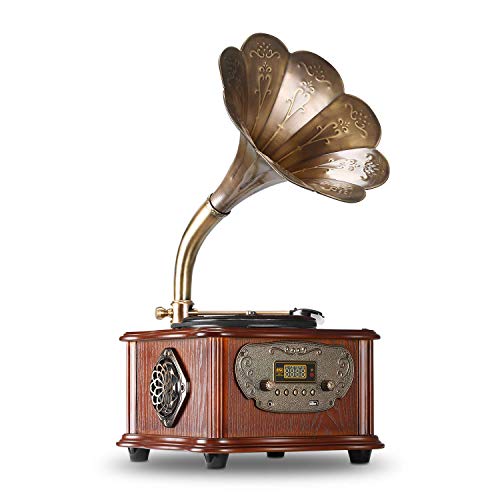
LuguLake Record Player Retro Turntable All in One Vintage Phonograph Nostalgic Gramophone for LP with Copper Horn, Built-in Speaker 3.5mm Aux-in/USB
【2-Speed(33/45RPM) Vinyl Record Player Turntable With Sophisticated Details / Support Vinyl Record Of 7"/10"/12"】Featured fine and sturdy wood...
As an affiliate, we earn on qualifying purchases.
Conclusion
So, as you’ve seen, the mesmerizing curation of courtesan dances carries cultural complexity and cinematic charm. From mesmerizing mujras to modern moves, these dances depict history, hinting at hidden hierarchies and heartfelt tales. Embrace the evolution, understanding that each step showcases society’s shifting stories. Ultimately, these dances delight, dramatize, and define Bollywood’s bold blend of tradition and transformation—bridging bygone eras with breathtaking beauty.
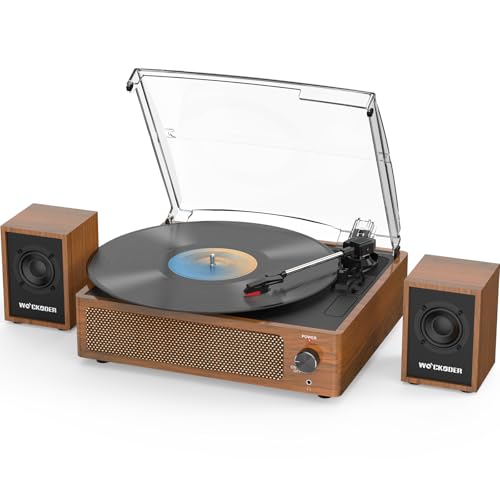
Record Player with External Bookshelf Speakers Belt-Drive Vintage Turntable for Vinyl Records Passive Dual Stereo Speakers LP Players 3 Speed Wireless AUX Headphone Input Auto Stop Retro Brown Wooden
[Upgraded Sound with External Speakers] - Dynamic full-range two external stereo speakers with RCA output provide sound for...
As an affiliate, we earn on qualifying purchases.

FEKTIK Bluetooth Record Player 10 in 1, 3-Speed Turntable for Vinyl with Speakers, LP to MP3 Converter, CD, Cassette Player, FM Radio, Wireless Streaming | Mahogany
[10-in-1 Mutifunctional Record Player]– With vintage mahogany wooden look & modern features, this turntable not only plays your...
As an affiliate, we earn on qualifying purchases.