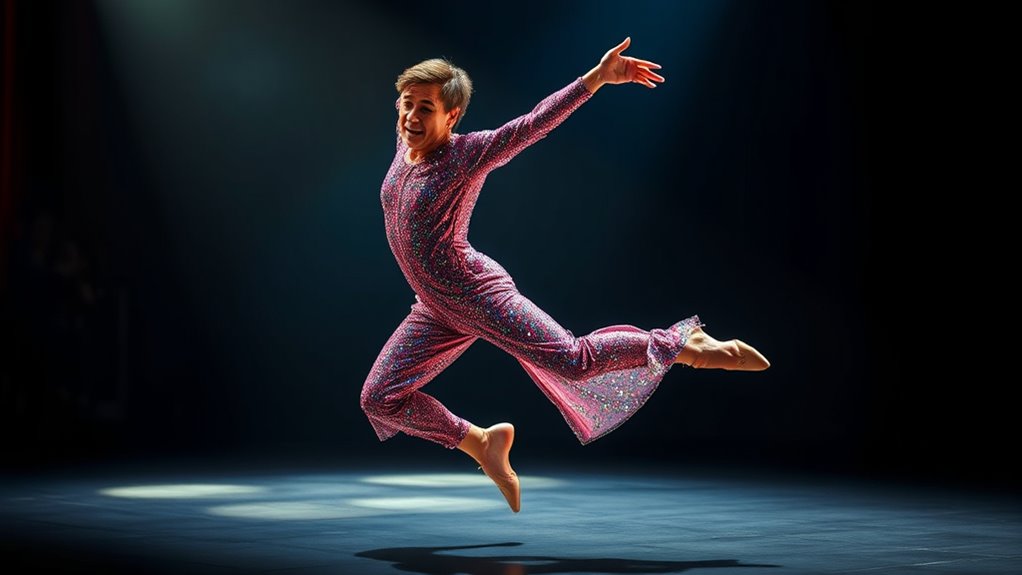

Dance icons who are actors renowned for their dancing skills have left a lasting mark on popular culture. Think of stars like Fred Astaire, Ginger Rogers, and Jennifer Lopez, who incorporate their dance talent into their performances and films. They inspire you to see dance as a powerful form of storytelling and self-expression. If you keep exploring, you’ll discover how these legendary performers shaped diverse dance styles and influenced generations to come.
Key Takeaways
- Actors like Fred Astaire and Ginger Rogers revolutionized musical films with their exceptional dance performances.
- Jennifer Lopez is renowned for blending singing and dancing, influencing pop culture and dance styles.
- John Travolta gained fame through iconic dance roles in “Saturday Night Fever” and “Grease.”
- Channing Tatum’s background in dance has enhanced his performances in films like “Magic Mike.”
- Julia Stiles showcased impressive ballet skills in “Save the Last Dance,” blending acting with dance mastery.

Throughout history, dance icons have shaped the way we move and express ourselves, inspiring millions around the world. Their influence extends beyond the stage, impacting everything from pop culture to street dance. When you think of dance icons, you might imagine performers who push boundaries, break conventions, and redefine what it means to be a dancer. These icons don’t just perform—they revolutionize dance styles, leaving behind a legacy that continues to inspire new generations. Understanding their impact involves recognizing the diverse worlds they’ve influenced, from the elegance of ballet legends to the raw energy of hip hop choreography.
Dance icons transform movement and inspire generations, blending tradition with innovation across diverse styles worldwide.
Ballet legends set a foundation for what it means to be a master of dance. When you study figures like Rudolf Nureyev, Margot Fonteyn, or Anna Pavlova, you see discipline, grace, and technical precision at its finest. They elevated ballet to an art form that’s both physically demanding and emotionally compelling. Their performances demonstrate how ballet combines storytelling with impeccable technique, inspiring countless dancers to pursue excellence. These ballet legends serve as benchmarks for elegance and dedication, reminding you that mastery requires years of practice and unwavering passion. Their influence can be seen in contemporary dance, where classical techniques often serve as a foundation for innovative styles.
On the other hand, hip hop choreography has revolutionized dance in a completely different way. When you look at hip hop icons like James Brown, who laid the groundwork, or modern performers like Missy Elliott and BTS, you see how street dance became a global phenomenon. Hip hop choreography is all about attitude, improvisation, and raw energy. It invites you to express yourself freely and authentically, often emphasizing individuality over perfection. These dance icons have turned hip hop into a cultural movement, blending music, dance, and fashion. Their influence encourages you to explore movement as a form of personal storytelling, breaking down barriers and creating a sense of community.
Both ballet legends and hip hop icons have shaped the dance landscape in profound ways. They remind you that dance isn’t just movement; it’s a powerful form of communication. Whether you’re captivated by the technical precision of classical ballet or the vibrant energy of street dance, their legacies show that dance icons inspire innovation, expression, and cultural change. Their contributions continue to influence your choices as a dancer or an enthusiast, urging you to explore new styles, push your limits, and find your unique voice through movement. Recognizing the diverse worlds they’ve influenced helps deepen your appreciation for dance as a universal language.

MERACH Exercise Bike, Brake Pad Stationary Bike with Exclusive App, Low Noise Indoor Cycling Bike with 270lbs Weight Capacity, Tablet Mount and Fitness Courses for Weight Loss-Blue
All-in-One Fitness Tracking: Enhance your workouts with 15.6'' HD (1920x1080P) fitness bike mirroring screen, offering crystal-clear visuals while...
As an affiliate, we earn on qualifying purchases.
Frequently Asked Questions
Which Dance Styles Are Most Common Among Dance Icons?
You’ll notice that jazz, ballet, and tap are the most common dance styles among dance icons. They often incorporate street performances to showcase their skills and connect with diverse audiences. Costume design plays a vital role, enhancing their routines and emphasizing their style. These dance styles allow icons to express themselves vividly, making their performances memorable and inspiring others to explore different genres and techniques.
How Do Dance Icons Influence Mainstream Dance Culture?
You see a dance icon as a beacon of evolution, guiding mainstream dance culture through crossover choreography that blends styles. Their influence acts like a ripple, inspiring new trends and encouraging diverse dance expressions. By pushing boundaries and setting trends, you witness how dance icons shape evolving styles, making dance more accessible and exciting for everyone. Their legacy transforms the dance landscape, ensuring its continuous growth and cultural relevance.
What Training Do Dance Icons Typically Undergo?
You typically undergo rigorous training routines and physical conditioning to become a dance icon. This includes daily practice, strength training, flexibility exercises, and mastering various dance styles. You focus on perfecting technique, building endurance, and enhancing stage presence. Consistent discipline and dedication are essential, as you push your body to perform demanding routines flawlessly. This intense training helps you stand out and inspire others in mainstream dance culture.
Who Are the Youngest Dance Icons in History?
You might think dance icons need decades to shine, but youthful prodigies like Shirley Temple or Macaulay Culkin proved otherwise. Their early career breakthroughs in dance stunned audiences, showing that age is just a number. These young stars dazzled with skill and charisma long before they reached adulthood, making you realize that sometimes, the youngest can be the most iconic, transforming the stage into their playground from a very young age.
How Has Technology Impacted Dance Iconography?
Technology has transformed dance iconography by enabling virtual choreography, allowing you to create and share intricate routines online easily. Digital dance archives preserve iconic performances, making it simpler for you to study and draw inspiration from past legends. These tools expand your access to dance history, fostering innovation and collaboration while breaking geographical barriers, ultimately elevating your understanding and appreciation of dance’s visual and cultural significance.

Exercise Bike, Wenoker Stationary Bike for Home, App Supported Indoor Bike with Silent Belt Drive, Heavy Flywheel, Multi-grips Handlebar and Upgraded Digital Display
[Newest Exercise Bike & Trustworthy Brand] Wenoker is launching a new industry-standard incredibly sturdy, solid frame aluminum steel...
As an affiliate, we earn on qualifying purchases.
Conclusion
As you step back from these dance icons, remember they’re like stars guiding your own rhythm. Their movements symbolize freedom, passion, and expression—light illuminating your path. Just as a dancer finds balance on the stage, you can find harmony within yourself. Let their stories inspire you to embrace your own unique dance through life, knowing that each step you take is part of a bigger, beautiful choreography. So, keep moving and let your spirit soar.

Peloton Exercise Cross Training Bike, Indoor Stationary Spin Bike for Home Workouts, Space-Friendly Exercise Equipment for Cardio and strength Workout & Indoor Cycling
AN ESSENTIAL PARTNER FOR A WELL-ROUNDED ROUTINE: Seamlessly move from cardio workouts to strength training, yoga, Pilates, barre,...
As an affiliate, we earn on qualifying purchases.
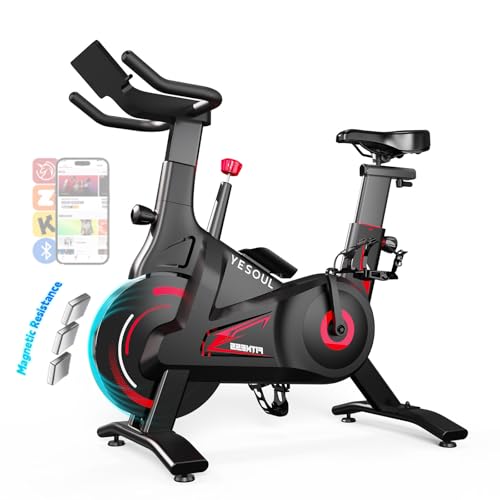
YESOUL Exercise Bike for Home – Stationary Bike with Stable Triangle Frame, Silent Magnetic Resistance, 300 lbs Capacity, Dual-Stage Drive & Alloy Flywheel, Smart APP with Scenic & Live Classes
【Heavy-Duty Stability – Ride with Confidence】 Designed with a triangular steel frame, the YESOUL indoor cycling bike supports...
As an affiliate, we earn on qualifying purchases.