
TL;DR

Get movie nights delivered free with Prime
- Fast, free delivery on millions of items
- Prime Video, Amazon Music and more included
- Member-only deals all year
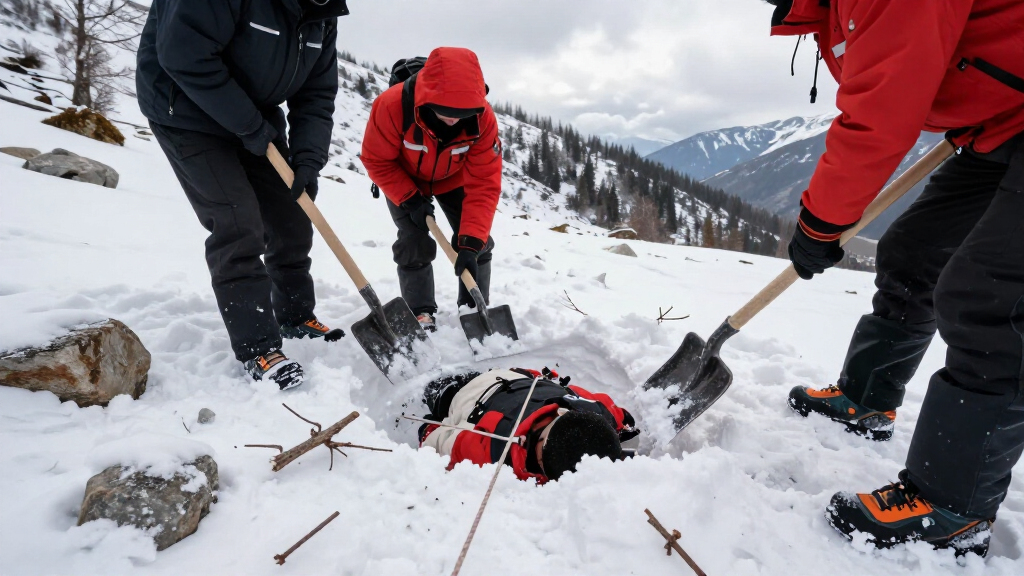
Rescuers in Kabardino-Balkaria have found and identified the final victim of a devastating avalanche. This marks Russia’s deadliest mountain disaster in over two decades. The event underscores ongoing risks in the region’s mountainous areas.
Rescuers in Kabardino-Balkaria have recovered the final victim of the recent avalanche, marking the conclusion of search and rescue operations. The event, which resulted in multiple fatalities, is now identified as Russia’s deadliest mountain disaster since 2002, emphasizing the ongoing dangers of mountain accidents in the region.
The avalanche occurred in the Caucasus mountains of Kabardino-Balkaria, a republic in southern Russia, on March 15, 2024. Initial reports indicated multiple casualties, with rescue efforts beginning immediately. According to officials from the Ministry of Emergency Situations, the final victim was located on March 24, after a ten-day search operation involving hundreds of rescuers and specialized equipment. The identity of the last victim has not yet been publicly disclosed, pending family notifications. The total death toll from the disaster is now confirmed to be 16, making it the deadliest mountain avalanche in Russia in over 20 years. The avalanche was triggered by recent heavy snowfall combined with unstable mountain conditions, according to meteorological assessments. Search and rescue teams utilized drones, thermal imaging, and avalanche dogs to locate victims buried under the snow. The region’s rugged terrain and ongoing weather challenges have hampered recovery efforts at times, but authorities confirmed that all victims have now been recovered.Why This Avalanche Is Russia’s Deadliest Since 2002
This event underscores the persistent dangers faced by mountaineers and tourists in Russia’s mountainous regions, especially during periods of heavy snowfall. The loss of 16 lives highlights the need for improved safety measures and monitoring of mountain conditions. It also raises questions about preparedness and response capabilities in remote, high-risk areas. The disaster has prompted calls from officials and safety advocates for increased training, better forecasting, and stricter regulations for mountain expeditions, particularly during adverse weather conditions. For local communities and the broader Russian public, the tragedy serves as a stark reminder of the inherent risks of mountain recreation and the importance of respecting natural hazards.
Popular right now

Apple AirPods Pro 3 Wireless Earbuds with Active Noise Cancellation

Dyson Ball Animal 2 Plus Corded Vacuum

KitchenAid Artisan 5-Quart Tilt-Head Stand Mixer, Almond Cream
As an affiliate, we earn on qualifying purchases.
Background on Mountain Disasters in Russia
Russia’s Caucasus region has a long history of mountain-related accidents, often linked to unpredictable weather, avalanches, and challenging terrain. The most recent comparable tragedy occurred in 2002, when an avalanche in the North Caucasus resulted in over 20 fatalities. Mountain tourism and climbing have grown in popularity, but safety standards have often struggled to keep pace with increasing activity levels. Heavy snowfall and unstable snowpack are common hazards during winter and early spring, especially in high-altitude areas. Past incidents have prompted some safety improvements, but the frequency of avalanches and mountain accidents remains a concern. This latest event is now the deadliest since 2002, marking a significant escalation in severity and impact.
Unclear Factors in Avalanche Triggers and Safety Measures
It is not yet clear whether specific safety protocols were followed during the expedition or if recent weather forecasts could have predicted the avalanche. Authorities have not disclosed detailed information about the expedition’s planning or the precise causes of the avalanche. Additionally, investigations into whether there were any preventable factors or lapses in safety are ongoing. The full extent of the weather conditions leading up to the avalanche remains to be analyzed, and it is uncertain if more victims might have been buried or if additional rescue efforts are needed.
Investigation and Future Safety Policy Discussions
Authorities are expected to conduct a thorough investigation into the causes of the avalanche and review safety protocols for mountain expeditions in the region. There may be increased restrictions on mountaineering activities during hazardous conditions. Additionally, officials might enhance early warning systems and improve rescue infrastructure. Local communities and mountaineers are likely to push for stricter safety standards to prevent future tragedies. The focus will also be on public awareness campaigns about avalanche risks and preparedness.
Key Questions
What was the cause of the avalanche?
The exact cause remains under investigation, but heavy snowfall and unstable snowpack are believed to have contributed.
How many people were involved in the rescue operations?
Hundreds of rescuers, including specialized teams with drones, thermal imaging, and avalanche dogs, participated in the search efforts.
Are there plans to improve safety in the region?
Yes, authorities are expected to review and potentially tighten safety protocols, enhance early warning systems, and increase public awareness to prevent similar tragedies.
Will there be any legal or policy changes following the disaster?
Investigations are ongoing, but there may be future policy discussions aimed at stricter safety regulations for mountain activities during hazardous conditions.
Source: rss