
TL;DR

Get movie nights delivered free with Prime
- Fast, free delivery on millions of items
- Prime Video, Amazon Music and more included
- Member-only deals all year
Pop culture collectible figures range from affordable articulated toys to premium statues, and their prices reflect details such as scale, materials, licensing, condition, and demand. Choose a figure you genuinely like, verify the seller and edition, and treat future resale value as uncertain rather than guaranteed.
A tiny plastic hero can cost less than lunch, while a detailed statue of the same character can cost hundreds of dollars. Both can be pop culture collectible figures; what changes is the scale, materials, finish, and the way you want to enjoy them.
If you are starting a collection, the shelves of figures can feel like a maze of jargon: 1:12 scale, retailer exclusive, preorder, mint in box. This guide explains what those labels mean, how to compare different figure types, and how to buy with a clear budget instead of chasing every limited release.
You will also learn why rarity is not the same as value, what to check before ordering, and how to protect a figure once it lands on your shelf. Think of collecting as building a small gallery of the stories and characters you love—not as a race to own everything.
Pick a figure style based on how you want to use it: pose an action figure, assemble a model kit, or display a fixed-pose statue.
Compare scale, materials, accessories, height, and base size; promotional photos can make a figure look bigger or more complete than it is.
Treat limited-edition status as one detail, not proof of resale value; check recent completed sales for the same edition and condition.
Before a preorder, review the deposit, cancellation policy, estimated ship date, and full cost with shipping and fees.
Protect figures from direct sunlight, heat, dust, and unstable shelves, and choose sealed or opened packaging according to how you want to enjoy the item.
What Counts as a Pop Culture Collectible Figure?
Pop culture collectible figures are physical representations of characters, performers, creatures, or designs from entertainment, made or marketed for display, play, or collecting. They can come from a film, comic, game, anime, streaming series, or another part of popular culture. The boundary between toy and collectible is loose: a child can play with an articulated figure, while an adult may display the same model in a glass cabinet. That overlap matters because the label “collectible” does not guarantee museum-level materials or careful handling; it describes how people value and use the item as much as what it is.
Think of the category as a toolbox, not a single product. Action figures usually have movable joints and accessories; vinyl figures often use simpler forms and bold paint; model kits ask you to assemble parts; miniatures fit tabletop games; and statues focus on a fixed pose and fine detail. Materials include plastic, vinyl, resin, and sometimes metal. The figure type affects more than appearance: articulation gives you options but introduces joints that can limit a seamless sculpt, while a statue can preserve a dramatic pose but cannot be repositioned. A model kit adds the satisfaction of building, along with the time, tools, and patience that requires.
Scale helps you compare size, though it is not a promise that every character will stand at exactly the same height. A 1:12 figure represents a character at one-twelfth scale, while a 1:6 release is generally larger. Fictional character height and each maker’s conventions also affect the result. For example, a 1:12 human hero and a much taller alien from the same series may not stand the same height on your shelf. Scale can also influence price and display planning: a larger figure generally takes up more room and may include more material, but the number alone does not tell you whether it will fit beside another company’s figures. Check actual height and base dimensions when a coordinated display matters.
A licensed release uses character names, designs, or logos under an agreement with the rights holder. Licensing shapes which characters a company can make and how their costumes look, but it does not tell you whether the figure is well made. A recognizable logo can confirm an official connection, not the quality of the joints, paint, or packaging. When you compare two versions of a favorite character, check the sculpt, paint, joints, accessories, and stability, not just the logo on the box. Those details determine whether the figure works for your intended use, whether that is posing, play, or a long-term display.
pop culture collectible action figures
As an affiliate, we earn on qualifying purchases.
As an affiliate, we earn on qualifying purchases.
Choose the Figure Style That Fits Your Shelf
The best figure style depends on what you want to do with it: pose it, build it, play with it, or admire a carefully finished display piece. Articulation, sculpt detail, accessories, and stability are separate features, so one figure can excel at posing while another looks better in a fixed scene. The practical tradeoff is that features compete for space and design attention: a figure with many joints can offer more poses but may show seams, while a statue can hold a polished silhouette but gives you little flexibility after you choose its place. Imagine choosing a character for a desk: a compact action figure can hold a different pose each week, while a statue may give you a dramatic, finished silhouette.
| Figure type | What you get | Good fit if you want | What to check |
|---|---|---|---|
| Action figure | Movable joints, often with hands or accessories | Posing and display variety | Joint range, balance, and accessory storage |
| Vinyl figure | Stylized shapes and straightforward display | A compact, recognizable character | Paint finish and release variants |
| Model kit | Parts you assemble, sometimes with optional poses | A hands-on building project | Tools, skill level, and assembly time |
| Statue | A fixed pose with an emphasis on sculpt and finish | A centerpiece for a display shelf | Base size, weight, and fragile details |
These categories can overlap. Some action figures have striking sculpt work, and some statues include interchangeable parts. A collector who likes recreating a game scene may prefer movable joints, while someone with a narrow shelf may favor a smaller vinyl design. Think about how often you expect to handle or reposition the figure: frequent posing makes joint range and sturdiness more important, whereas a display piece can prioritize detail and a stable base. Before buying, measure the shelf and check the product’s listed height and base width; a dramatic cape or raised sword can need more room than the figure’s height suggests.
Use product photos as a starting point, not a substitute for specifications. Scale representations can look larger in promotional photography, and lighting may make paint appear richer than it does at home. Look for photos from several angles and check whether stands, alternate faces, or extra hands come in the box. These details affect both the figure’s usefulness and its true cost: if a stand is required for the pose you want but sold separately, the listed price may not represent the complete setup. A clear comparison saves you from expecting a poseable toy and receiving a fixed display piece—or the other way around.
As an affiliate, we earn on qualifying purchases.
Understand Why One Figure Costs $20 and Another Costs Hundreds
Pop culture collectible figures carry different prices because makers use different scales, materials, production methods, and licensing arrangements—and buyers value different features. A mass-produced plastic figure may use a simpler finish, while a large statue can require more material, hand-painted detail, careful packaging, and a sturdy base. The character’s popularity and current demand also shape what retailers charge. Price is therefore a clue about the product, not a simple quality score: a high price may reflect size, complexity, or limited distribution without guaranteeing that you will prefer the sculpt or finish.
The price tag is a mix of ingredients, like a recipe. Scale affects how much material a maker uses; detailed paint and extra accessories add work; licensing gives a company permission to sell a particular character; and retailer or event exclusives can limit where an edition appears. For instance, a small figure with three alternate faces may cost more than a larger, simpler toy. Size alone does not explain the whole bill. The best comparison is between features you will actually use: if you mostly display a figure in one pose, extra hands may not be worth paying for, while a stable base or a finish you love could matter more.
There is no dependable formula that turns a collectible into an investment. A limited run can still attract little resale interest, while a common release can become harder to find after it leaves stores. Scarcity and demand are different: scarcity describes how many are available, while demand describes how many people want them. If a convention-exclusive colorway has few buyers, its limited status will not automatically create a high sale price. Resale prices can also shift as a character’s popularity changes, a reissue appears, or more owners decide to sell. That uncertainty makes a limited edition a risky reason to stretch your budget.
Compare recent completed sales for the same edition and condition rather than relying only on active listings, which show what sellers hope to receive. A collector considering a $180 statue can check sold listings, compare shipping costs, and decide whether the character and craftsmanship justify the price even if resale value later falls. Completed sales are still a snapshot, not a promise of what your own item will sell for; condition, box quality, timing, and selling fees can all change the amount you keep. Buy first for personal enjoyment; treat any future increase as a possibility, not a promise.
limited edition statue collectibles
As an affiliate, we earn on qualifying purchases.
As an affiliate, we earn on qualifying purchases.
Check These Details Before You Place an Order
Before you order, confirm what the listing actually includes, who is selling it, and what happens if the release is delayed or arrives damaged. Preorders and exclusives can be useful ways to secure a figure, but each seller sets its own payment, cancellation, and shipping terms. A listing with a dramatic countdown does not tell you whether the item suits your collection. Treat the purchase as a set of separate checks: product fit, total cost, seller reliability, and the risks attached to waiting or shipping.
- Set your ceiling. Choose a maximum price that includes tax, shipping, and any import fees. If your limit is $60, a $49 figure with $18 shipping is not really within budget. An all-in limit makes it easier to compare sellers fairly and reduces the temptation to justify add-ons after you have already committed.
- Read the specifications. Check scale, height, materials, poseability, accessories, and whether the figure comes assembled. A product photo may show optional parts that are sold separately. These details also tell you whether the item matches your display: a figure that is technically the right scale may still have a broad base or oversized accessories that take up more room than expected.
- Verify the seller and edition. Compare the packaging, logos, product number, and paint scheme with official images. Be cautious if the price is far below normal or the photos are blurry. A reliable history and clear description lower the risk, but they do not replace checking which edition is being sold, especially when standard and exclusive versions look similar.
- Read preorder terms. Check whether the seller charges a deposit, allows cancellation, and gives an estimated ship date. Production schedules can shift, so keep a copy of the order details. The longer the wait, the more important it is to know whether your money is tied up and what options you have if your plans or the release schedule change.
- Choose sealed or opened on purpose. Keeping the box in good condition may matter to some resale buyers; opening the figure lets you inspect and display it. Decide based on your own enjoyment. If you do open it, keeping the packaging and small accessories together can make storage and any later sale simpler.
Suppose you find a sought-after game character listed by an unfamiliar marketplace seller for half the usual price. Pause. Search for clear photos of the actual item, compare its box printing and markings with the manufacturer’s images, and check seller history. Unusually low prices, poor printing, and inconsistent logos can signal a counterfeit or misleading listing, though one warning sign alone does not prove a fake. Ask for additional photos or choose a seller with clearer return terms if you cannot confirm what is being offered; the discount is not a bargain if the figure arrives in a condition you would not accept.
“Exclusive” usually means a figure or variant is tied to a retailer, event, or region. It does not automatically mean rare, valuable, or better made. A retailer-only colorway may appeal to fans who like that version, but you do not need every variant to have a satisfying collection. Consider whether the specific difference matters to you before paying extra or taking on more complicated shipping.
display cases for collectible figures
As an affiliate, we earn on qualifying purchases.
As an affiliate, we earn on qualifying purchases.
Display Figures Without Sun, Dust, or Wobbly Shelves
To keep a figure looking good, display it away from direct sunlight and excessive heat, dust it gently, and give it a stable place to stand. Light, dust, and unstable support can spoil a display over time, especially when small accessories or delicate parts stick out. Sunlight can fade colors, while heat may affect materials or make some parts less stable; the extent depends on the figure, so prevention is easier than trying to restore damage. A sunny windowsill may look lovely at noon, but it can expose paint and materials to harsh light for hours.
Start with the shelf itself. Check that the surface sits level and has enough depth for the figure’s base, cape, or accessories. For an articulated character posed with one foot raised, use the maker’s stand if one is included; it can stop a slow tip from turning into a fall. Stability matters not only for avoiding breakage but also for keeping a pose consistent over time. Keep small accessories in a labeled container so a tiny alternate hand does not disappear during cleaning.
Dust lightly with a soft brush or clean microfiber cloth, and follow the manufacturer’s care instructions for the material. Avoid assuming that every surface tolerates the same cleaner: paint finishes and plastics vary. A gentle dry clean is a safer starting point than using liquids or rubbing firmly, which can affect finishes or move delicate parts. If you display several figures together, leave a little breathing room between them. A crowded shelf makes it easier to knock a sword loose when you reach for the character behind it.
Packaging deserves a choice, not a rule. Mint in box generally means the figure and original packaging are in very good condition, but buyer expectations and grading standards vary. A sealed box may suit a collector focused on condition or resale; an opened figure may bring more pleasure if you want to pose it beside a favorite game console. Keeping an opened figure’s box can preserve a place to store it and its accessories, but it also takes space. Neither approach is the only proper way to collect.
Build a Collection You Can Enjoy Without Chasing Every Drop
A good collection grows around a clear personal reason, such as one favorite series, a style of figure, or a display space you want to fill. Preorders, variants, and social-media hype can make every release feel urgent, but you can skip a figure without losing your place as a fan. The shelf is yours; it does not need to mirror someone else’s haul video. Choosing a focus gives each purchase a standard to meet and makes it easier to tell the difference between something you truly want and something that only feels urgent because it might sell out.
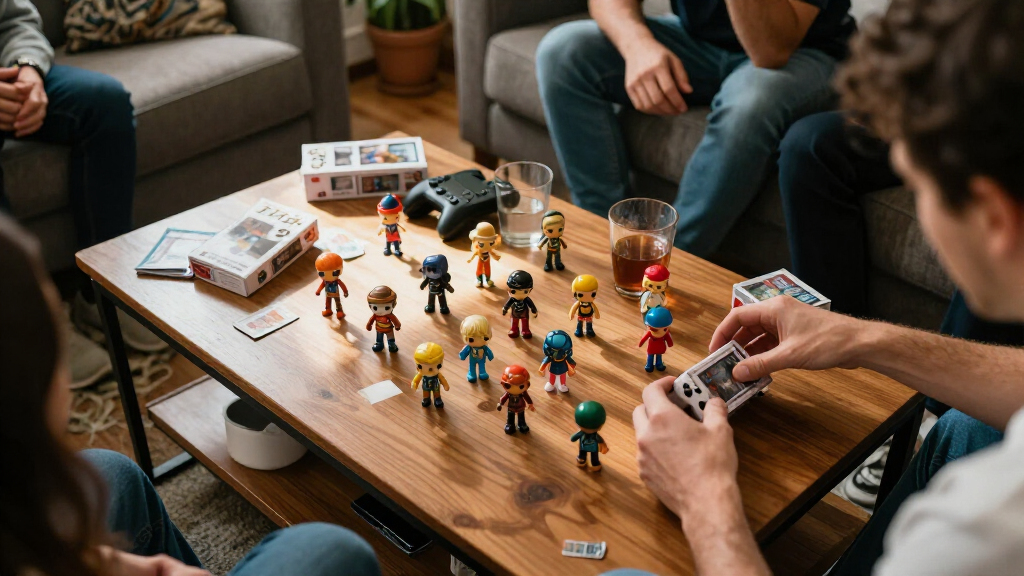
Imagine you love a streaming series and have room for three figures on a desk. Instead of buying every character and colorway, you might choose the lead character, a favorite creature, and one figure with especially strong sculpting. That small display tells a story, fits the space, and leaves room in the budget for a release you genuinely want later. It also makes tradeoffs visible: choosing one larger centerpiece might mean fewer figures overall, while several smaller ones can show more of the series but may feel less like a focused display.
Online groups help you discover new releases and compare photos, but fast sellouts and resale chatter can turn collecting into a sprint. Set a simple rule: wait a day before buying a surprise variant, or keep a monthly figure budget. For preorders, record the seller, expected date, cancellation terms, and total price. A plan makes waiting easier when delivery dates change or a popular release sells out. If the figure still feels worth the price after a pause, it is more likely to be a considered purchase than a reaction to a countdown or fear of missing out.
Packaging and production also matter to some buyers. Sustainability discussions around collectibles include plastic use, packaging volume, and product durability, though progress varies by manufacturer. If it matters to you, check the specific item’s materials and packaging details rather than assuming a broad claim applies to every release. A durable figure you enjoy for years may serve you better than a stack of impulse buys still in their shipping boxes. The useful question is not whether collecting is automatically sustainable, but which choices reduce waste for your own habits without making the hobby less enjoyable.
Frequently Asked Questions
Are pop culture collectible figures a good investment?
They can rise or fall in resale value, and future demand is hard to predict. Buy a figure because you want to own it, and treat possible appreciation as a bonus rather than a financial plan.
How can I tell whether a collectible figure is authentic?
Start with a reputable seller and compare the product’s packaging, logos, markings, and paint details with official images. Be cautious around unusually low prices, poor printing, or listings that use only vague or borrowed photos; ask for clear pictures of the actual item.
Should I keep my figure sealed or open the box?
Keep it sealed if the box condition matters to your collecting goals or potential resale, and open it if you want to inspect, pose, or display the figure. The right choice depends on how you plan to enjoy it, since sealed packaging does not guarantee a particular resale price.
What does 1:12 scale mean?
A 1:12 figure represents a character at one-twelfth of the character’s stated size, but makers’ conventions and fictional character heights affect the finished figure’s actual height. Check the listed measurements before buying, especially if you want figures to fit together on one shelf.
Why do similar figures have such different prices?
Price can reflect scale, materials, licensing, production methods, paint finish, accessories, retailer, and current demand. A smaller figure with elaborate details or extra parts can cost more than a larger, simpler one, so compare the product specifications rather than size alone.
How do I find a realistic resale price?
Compare recent completed sales for the exact release, including its condition and whether the original packaging is present. Active listings show asking prices, not necessarily what buyers have paid.
Conclusion
Choose a figure because you like the character, the design, or the way it will look on your shelf—not because a countdown clock says you have minutes to decide. Check the specifications, seller, total cost, and space at home before you buy.
A collection does not need to be large or expensive to feel personal. Start with one figure that makes you smile when you pass the shelf, and let the next one earn its place.
Halloween Picks
halloween
As an affiliate, we earn on qualifying purchases.