
During Bollywood’s golden era of the 1950s and 60s, you witness a cinematic revolution where films reflected India’s social dreams, blending storytelling, music, and social themes. Iconic actors like Dilip Kumar and Madhubala captivated audiences with performances that became cultural landmarks. Classics like “Mother India” and “Shree 420” set standards, while soulful music by maestros like S.D. Burman enhanced every scene. If you keep exploring, you’ll discover how this vibrant era continues to influence Bollywood and popular culture today.
Key Takeaways
- The 1950s and 60s marked Bollywood’s cinematic renaissance, establishing timeless classics and cultural landmarks.
- Iconic actors like Dilip Kumar and Madhubala set new standards with authentic and charismatic performances.
- Films seamlessly blended storytelling, music, and social themes, creating emotionally impactful masterpieces.
- Music composed by legends like S.D. Burman enriched narratives, making songs cultural symbols of love and hope.
- This era’s storytelling and artistry inspired future filmmakers and continues to influence Indian culture today.
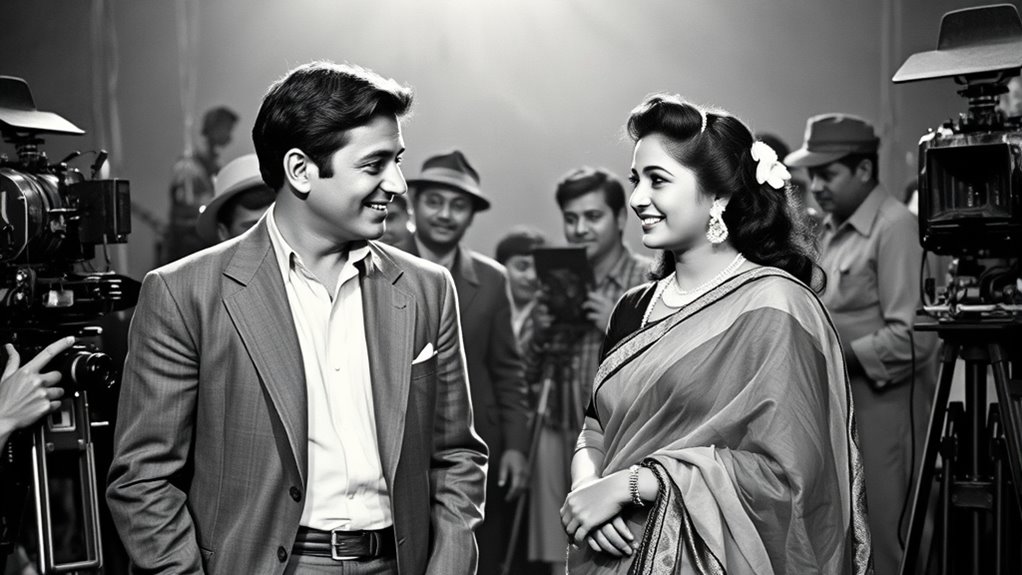
Have you ever wondered what made Bollywood’s Golden Era so unforgettable? It’s a time when the magic of cinema seemed to reach its peak, leaving behind a legacy that still resonates today. During the 1950s and 60s, the industry experienced a renaissance, producing films that weren’t just entertainment but cultural landmarks. This period is often associated with deep film nostalgia, a longing for the charm, innocence, and artistry of those years. You can’t talk about this era without mentioning the legendary actors who became icons, shaping the very fabric of Indian cinema. These actors brought characters to life with such authenticity and charisma that audiences felt a personal connection, almost as if they knew them. Their performances set a standard for excellence and inspired generations of filmmakers and actors alike.
The Golden Era was marked by films that balanced storytelling, music, and social themes with finesse. Classics like “Mother India,” “Shree 420,” and “Mughal-e-Azam” showcased not only the talent of their cast but also the craftsmanship of directors who understood the power of cinema as art. You could see the influence of legendary actors like Dilip Kumar, Raj Kapoor, and Madhubala, whose performances continue to evoke admiration. They became more than just stars; they symbolized hope, resilience, and the dreams of millions. Their on-screen presence was magnetic, and their ability to convey complex emotions with subtlety elevated Indian cinema to new heights. Watching these films today, you’re transported into a different world—one filled with timeless melodies, poetic dialogues, and heartfelt performances.
The film nostalgia of this era isn’t just about reminiscing; it’s about experiencing a period that laid the foundation for modern Bollywood. The narratives often reflected social issues, yet they maintained a sense of optimism and idealism. The music, composed by maestros like S.D. Burman and Naushad, added an emotional layer that made the stories even more memorable. These songs became anthems of love, hope, and longing, and they’re still enjoyed today. The legendary actors of this time didn’t just act; they became cultural icons whose influence extended beyond cinema, inspiring fashion, literature, and art. Their legacy endures because they embodied the soul of Bollywood’s Golden Era—a time when films captured the imagination of a nation and created moments that continue to be cherished.
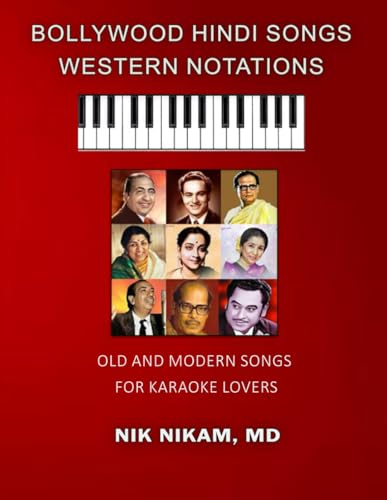
BOLLYWOOD HINDI SONGS WESTERN NOTATIONS: GOLDEN ERA AND MODERN HINDI FILM SONGS
As an affiliate, we earn on qualifying purchases.
As an affiliate, we earn on qualifying purchases.
Frequently Asked Questions
Which Actors Defined the Golden Era of Bollywood?
You see, legendary actors like Raj Kapoor, Dilip Kumar, and Dev Anand defined the golden era of Bollywood. They delivered iconic performances that still resonate today. Their charm, versatility, and storytelling set the stage for Bollywood’s future. By bringing depth and emotion to their roles, they became the face of a vibrant, influential period in Indian cinema, inspiring generations of actors and filmmakers alike.
How Did Technology Influence Filmmaking During This Period?
During this period, technology notably shaped filmmaking as silent cameras improved, allowing for smoother shots and better picture quality. You’ll notice film editing became more sophisticated, enabling seamless scene shifts and enhanced storytelling. These innovations helped filmmakers craft visually mesmerizing movies, elevating Bollywood’s artistry. By adopting new camera tech and editing techniques, they created more dynamic films, engaging audiences and setting new standards in Indian cinema’s golden era.
What Were the Major Social Themes Reflected in Movies?
You see that over 60% of films from this era explore social themes. Movies often highlight class struggle, showing the divide between rich and poor, and emphasize strong family values, reflecting societal norms. These themes resonate deeply, portraying characters maneuvering social barriers and prioritizing family bonds. By doing so, filmmakers captured the hopes, challenges, and cultural ideals of the time, making their stories both relevant and inspiring for audiences.
How Did Music Evolve in Bollywood During the 1950S and 60S?
During the 1950s and 60s, Bollywood music saw significant evolution through musical innovation and genre diversification. You’d notice the fusion of classical Indian tunes with Western styles, creating fresh sounds. Singers and composers experimented with new instruments and melodies, broadening the musical landscape. This era brought iconic songs that blend tradition with modernity, making Bollywood music richer and more diverse, enthralling audiences across generations.
What Was the International Impact of Bollywood Films Then?
You see that Bollywood films from the 1950s and 60s gained international acclaim, spreading their influence across Asia, Africa, and the Middle East. Their vibrant storytelling, memorable music, and star power captivated global audiences, shaping perceptions of Indian culture worldwide. This period marked the start of Bollywood’s global influence, inspiring filmmakers and audiences beyond India, and establishing a lasting legacy in international cinema.

Bollywood Melodies: Piano Sheet music for Bollywood
As an affiliate, we earn on qualifying purchases.
As an affiliate, we earn on qualifying purchases.
Conclusion
As you imagine the golden era of Bollywood, picture vibrant film sets, soulful melodies echoing through bustling streets, and stars whose charisma lit up every frame. These defining moments of the 1950s and ’60s created a timeless tapestry of romance, hope, and dreams. Feel the magic still alive today, like a soft, lingering song that forever stays in your heart, reminding you of a bygone era where cinema truly became an eternal masterpiece.

Impact Posters Gallery Vintage Classic Motorcycle Old Red Indian Wall Decor Art Print Poster (16×20)
Showcases a vintage red Indian motorcycle, evoking nostalgia and the spirit of classic motorcycling.
As an affiliate, we earn on qualifying purchases.
As an affiliate, we earn on qualifying purchases.
Bollywood Melodies: Piano Sheet music for Bollywood
As an affiliate, we earn on qualifying purchases.
As an affiliate, we earn on qualifying purchases.