To make indoor video lighting easier, focus on understanding key angles. Position your main light slightly above and at a 45-degree angle to your subject to add depth. Use reflectors or bounce boards to soften shadows, and match your natural and artificial lights’ color temperature for harmony. Properly placed lights help avoid flat footage and highlight features beautifully. Keep experimenting with angles, and you’ll uncover more tips to perfect your lighting setup.
Key Takeaways
- Position lights slightly above and at an angle to add depth and dimension to your footage.
- Use natural light near windows during softer morning or late afternoon hours for authentic, vibrant videos.
- Match artificial and natural light color temperatures with gels or filters to ensure color harmony.
- Place key lights at 45 degrees to the subject and use fill lights or reflectors to soften shadows.
- Balance natural and artificial light by controlling angles to achieve natural-looking, well-lit scenes.
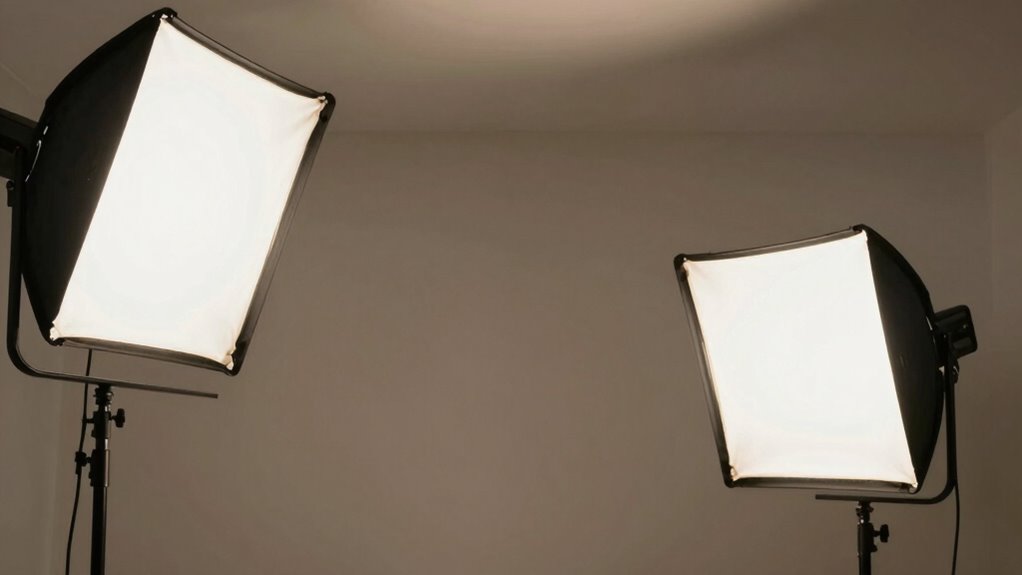
Lighting plays a crucial role in indoor video production, and once you understand the best angles to position your lights, everything becomes much easier. The way you manipulate natural light and control color temperature can dramatically enhance your footage. Natural light is a powerful tool—when used correctly, it can make your videos look vibrant and authentic. Position your subject near windows where sunlight filters in naturally, but be mindful of the time of day. Morning and late afternoon light tend to be softer and warmer, giving your scene a pleasing glow, while midday sun can be harsh and create unwanted shadows. To soften this effect, consider diffusing the natural light with sheer curtains or bounce it off walls to create a more even, flattering illumination. Additionally, understanding lighting angles can help you shape the mood and depth of your scene more effectively.
Controlling color temperature is equally important. Daylight has a cool, bluish tone, usually around 5600K, while indoor lighting tends to be warmer, around 3200K. When mixing natural light with artificial lights, you need to match their color temperatures to avoid jarring color shifts in your footage. For example, if you’re filming during the day but want a warmer look, you can use gels or filters on your artificial lights to bring their color temperature closer to the natural light. Conversely, if you prefer a cooler tone, balance your indoor lights to match the daylight’s temperature. This harmony ensures your subject looks natural and well-lit, without strange color casts.
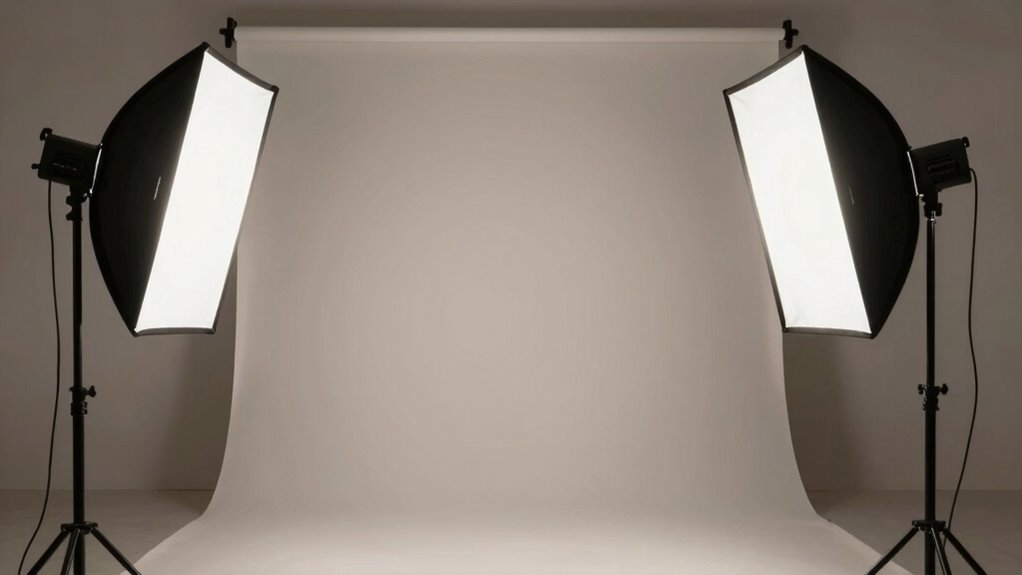
The angles you choose for your artificial lights also matter greatly. Placing lights slightly above and at an angle to your subject helps create depth and dimension, avoiding flat-looking footage. A common setup involves a key light positioned at about 45 degrees to one side of your subject, with a fill light on the opposite side to soften shadows. If you’re working with natural light, position your subject so the light hits their face at an angle that highlights their features while minimizing shadows. Reflectors or bounce boards can help redirect natural light into darker areas, filling in shadows and creating a balanced look.

Torjim Softbox Photography Lighting Kit, 16'' x 16'' Professional Softbox Lighting Kit with 85W 3000-7500K LED Bulbs, Studio Lights for Photography/Video Recording/Live Streaming/Portraits Shooting
【Illuminate Your Creativity】 Torjim softbox lighting kit is made of high-quality PET fabric and a foldable nylon cover,…
As an affiliate, we earn on qualifying purchases.
As an affiliate, we earn on qualifying purchases.
Frequently Asked Questions
How Do Different Angles Affect the Mood of a Video?
Different angles drastically influence your video’s mood by changing lighting effects and emotional tone. For instance, high angles can make your subject seem vulnerable or weak, creating a somber atmosphere. Low angles might make them appear powerful or intimidating, adding intensity. By adjusting your lighting angles, you can evoke specific feelings, guiding viewers’ emotional responses. Mastering these angles helps you craft the perfect mood for any scene with intentional lighting effects.
What Equipment Is Best for Adjusting Indoor Lighting Angles?
You should use adjustable light diffusers and versatile camera mounts to tweak indoor lighting angles easily. Light diffusers soften and direct light precisely, helping you set the mood, while camera mounts give you flexibility to position lights at various angles without hassle. This equipment makes it simple to experiment with lighting setups, ensuring you achieve the perfect ambiance for your video. Always choose gear that’s adjustable and stable for the best results.
How Often Should I Change Lighting Angles During Filming?
You should change your lighting angles as often as a magician pulls rabbits out of hats—almost constantly! For a steady, professional look, maintain angle consistency during a scene, but switch angles whenever the mood or focus shifts dramatically. Keep your lighting setup flexible; adjusting angles at key moments enhances depth and interest. Regular tweaks keep your video dynamic, but avoid overdoing it to prevent a confusing, chaotic look.
Can Lighting Angles Improve Video Quality in Small Rooms?
Yes, adjusting lighting angles can considerably improve your video quality in small rooms. By experimenting with angles, you control color temperature and light diffusion, reducing harsh shadows and creating a more flattering look. Position lights to soften the glow and balance color temperature, ensuring your subject looks natural. Proper angles help make the most of limited space, enhancing overall clarity and professionalism in your videos.
Are There Any Safety Concerns With Adjusting Lighting Angles?
Yes, there are safety concerns when adjusting lighting angles. Always prioritize electrical safety by unplugging lights before repositioning them. Be cautious of light overheating, especially with high-wattage bulbs, to prevent fires. Make certain cords are not pinched or frayed, and avoid overloading outlets. Properly securing lights prevents accidental falls or damage. Staying mindful of these safety tips helps you avoid electrical hazards and keeps your indoor filming environment safe.
Torjim Softbox Photography Lighting Kit, 16'' x 16'' Professional Softbox Lighting Kit with 85W 3000-7500K LED Bulbs, Studio Lights for Photography/Video Recording/Live Streaming/Portraits Shooting
【Illuminate Your Creativity】 Torjim softbox lighting kit is made of high-quality PET fabric and a foldable nylon cover,…
As an affiliate, we earn on qualifying purchases.
As an affiliate, we earn on qualifying purchases.
Conclusion
Mastering indoor video lighting is like learning to dance with angles—once you find the rhythm, everything flows seamlessly. By understanding how light interacts from different positions, you’ll illuminate your scenes with clarity and depth, turning simple setups into professional-looking shots. So, keep experimenting with angles, and soon you’ll find yourself confidently guiding your lighting like a seasoned artist. With each adjustment, you’ll reveal a new layer of cinematic magic, making your videos truly shine.

(2 Pcs) Light Reflector 3 in 1 Photography Reflector Cardboard, A4 (12×8 Inch) Size Folding Light Diffuser Board for Still Life, Product and Food Photo Shooting – Black, Silver and White, 2 Pack
Features: 3 Color(White, black and silver surface) light reflector, Great to fill in background. And Control the incoming…
As an affiliate, we earn on qualifying purchases.
As an affiliate, we earn on qualifying purchases.

Meking 16×20 inches Lighting Gels CTO Photo Lights Gel Filters Transparent Color Correction Light Sheets for Photography Red Head Strobe Flashlight (Orange)
Specification of Gel: 15.7×19.6 inches/40x50cm, Pack of 4- 1x Full Orange Filter, 1x 1/2 Orange Filter, 1x 1/4…
As an affiliate, we earn on qualifying purchases.
As an affiliate, we earn on qualifying purchases.