
TL;DR

Get movie nights delivered free with Prime
- Fast, free delivery on millions of items
- Prime Video, Amazon Music and more included
- Member-only deals all year
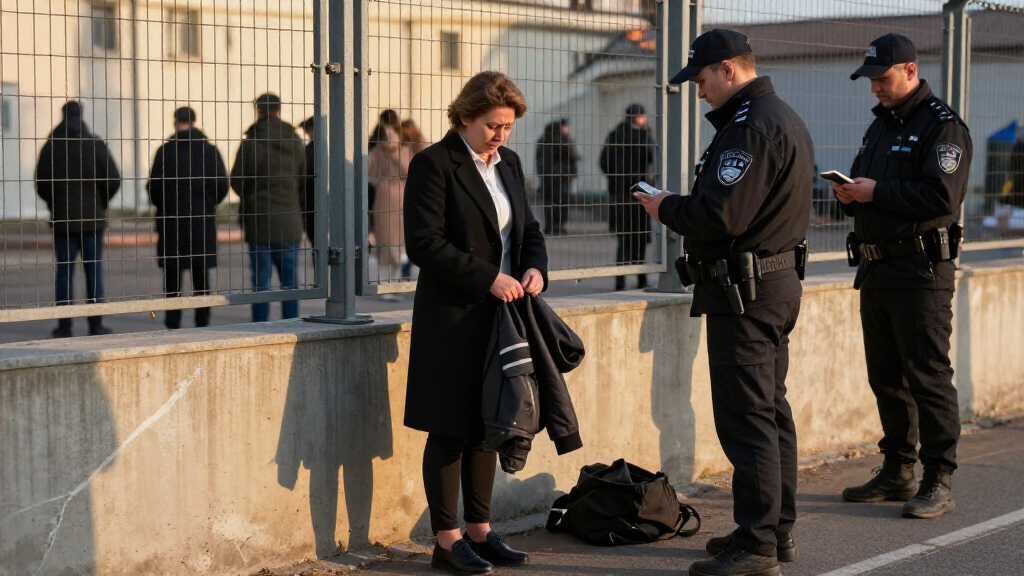
Lawyers visiting detainees at a Moscow jail are being subjected to strip searches at security checkpoints, including women asked to remove bras and men to lower pants. The practice raises human rights concerns amid rising coverage interest.
Lawyers visiting detainees at a Moscow jail are now being required to undergo strip searches at security checkpoints, with women told to remove bras and men instructed to lower their pants, according to reports circulating on social media and human rights sources. This new practice has sparked concern among legal advocates and human rights organizations about treatment of visitors and detainees in Russian detention facilities.
Multiple reports indicate that at the Moscow detention facility, lawyers are being subjected to strip searches at the entrance to access their clients. Witnesses and legal observers say women are being asked to remove their bras, while men are instructed to lower their pants for inspection. The policy appears to be a new security measure, though official confirmation from authorities has not yet been provided.
Legal professionals and human rights advocates have expressed alarm over the practice, arguing that such procedures violate privacy rights and could constitute degrading treatment under international standards. Some reports suggest that the searches are carried out in a manner that leaves visitors feeling humiliated and intimidated, raising concerns about the treatment of detainees and their legal representatives.
Russian authorities have not publicly commented on the reports. The Moscow detention center in question is known for its strict security protocols, but the requirement for strip searches of lawyers at checkpoints appears to be an escalation not previously documented. The reports have gained traction on social media, with some lawyers sharing their experiences and expressing fears about the implications for legal access and human rights.
Implications for Legal Access and Human Rights
This development underscores potential violations of privacy and human rights rights within Russian detention facilities. The requirement for strip searches of lawyers could hinder legal access, intimidate visitors, and set a concerning precedent for treatment of detainees and their legal representatives. Such practices may also attract international scrutiny and impact Russia’s reputation regarding adherence to human rights standards.
As an affiliate, we earn on qualifying purchases.
Rising Security Measures in Russian Detention Facilities
Over recent years, Russian detention centers have been reported to implement increasingly strict security protocols, often justified by concerns over contraband and security threats. However, reports of invasive searches, especially targeting visitors, have raised alarms among human rights organizations. The current reports of strip searches at a Moscow jail appear to be part of a broader pattern of heightened security measures, although details remain scarce and unconfirmed by official sources.
portable privacy screen for travel
As an affiliate, we earn on qualifying purchases.
As an affiliate, we earn on qualifying purchases.
Details and Official Confirmation Still Unclear
It is not yet confirmed whether the policy is officially sanctioned by Russian authorities or if it is an isolated practice carried out by security personnel. The extent of the practice across other detention facilities remains unknown, and official statements are lacking. The reports are primarily based on social media accounts and testimonies, which require verification.
As an affiliate, we earn on qualifying purchases.
Investigation, Official Response, and Legal Challenges
Human rights organizations and legal groups are expected to call for investigations into the reported practices. There may be increased scrutiny from international bodies concerned with detainee treatment. Russian authorities could issue statements clarifying or denying the reports, and legal challenges may arise if the practice is confirmed to violate rights. Monitoring developments will be crucial to understanding whether this is a localized incident or part of a broader policy shift.
travel document holder with RFID protection
As an affiliate, we earn on qualifying purchases.
As an affiliate, we earn on qualifying purchases.
Key Questions
Are strip searches of lawyers at Moscow jails common?
There is no publicly available information confirming that such searches are a standard practice. The current reports suggest it may be a recent or isolated development, but verification is pending.
Could this practice be legal under Russian law?
It is unclear whether the practice complies with Russian legal standards or international human rights obligations. Legal experts are likely to scrutinize whether these searches violate privacy rights or constitute degrading treatment.
What has been the response from Russian authorities?
As of now, there has been no official comment or confirmation from Russian officials regarding these reports. The authorities have not publicly addressed the issue.
How might this affect detainee rights and access to legal counsel?
If confirmed, the practice could hinder legal access, intimidate visitors, and potentially violate detainee rights, raising concerns about fair treatment and due process.
Source: rss
Halloween Picks
halloween
As an affiliate, we earn on qualifying purchases.